
cocktaildna

Paris, France

Bluebird

Also known as Blue Bird, Bluebird Cocktail

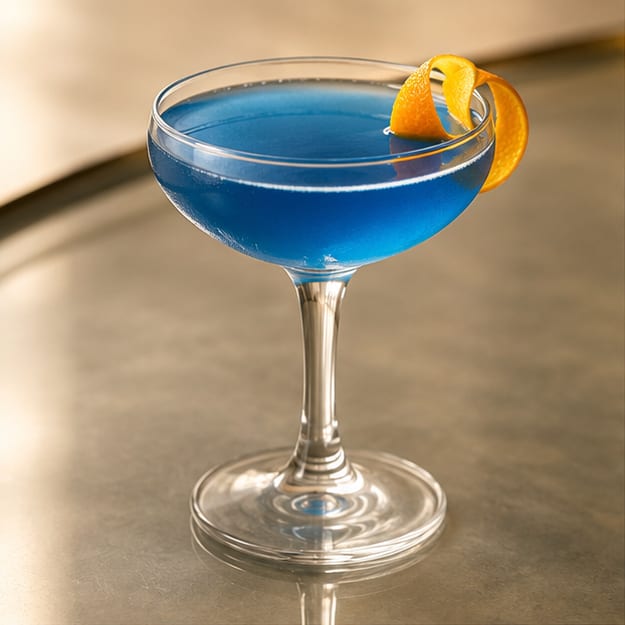
The Bluebird is a gin-based cocktail that swaps out the sweet vermouth of a Negroni for dry vermouth and adds a dash of orange bitters.

bitterdryherbalorangeaperitifgincamparistirredblue

%

ABV

Difficulty

Bluebird

Overview

What this drink is like

The first sip hits you with sharp gin and a solid wall of Campari bitterness. The dry vermouth steps in the middle to dry the whole thing out and add a slight herbal edge, while the orange bitters give a faint citrus lift at the end. It finishes crisp and firmly bitter, with the gin's botanicals lingering long after you set the glass down.

Who will like it

This is for people who like their drinks bone-dry and bitter, with no sweetness to soften the blow.

When to drink

Drink this right before a meal when you want something bracing to wake up your palate.

Ordering tip

If you want it slightly less punishing, ask the bartender to add a quarter ounce of sweet vermouth to round off the sharp edges.

Ice: NoneTemp: ColdCost: $2–$4Glass: CoupeBatch-friendlyHome bar friendly

Flavor

Taste profile

This drink is a bitter, dry ride from start to finish. The Campari hits you right away with its sharp, herbal bite, while the gin adds a clean, piney backbone. A faint hint of sweet orange from the curaçao tries to smooth things out, but the dry vermouth pulls it right back to a crisp, lean finish. It is the kind of drink that makes your mouth water and demands another sip.

Finish: The finish runs long and dry, with bitter orange and juniper lingering on the back of your tongue.

Primary tastes

bitterherbal

Secondary

fruityfloral

Aroma

orange zestjuniperbitter herbs
  • Bitternessvery bitter

    Campari dominates the drink with a strong, lingering bitterness that never really lets up.

  • Sweetnesslow sweetness

    The blue curaçao adds a slight orange sweetness, but the dry vermouth and Campari keep the drink firmly dry.

  • Strengthmoderately strong

    The gin and the liqueurs give it a solid alcoholic punch, but the stirred ice brings it down to a steady sipping strength.

  • Refreshingfairly refreshing

    Served cold without juice or syrup, it has a crisp, clean quality that wakes up the palate.

  • Complexitymoderately complex

    The gin botanicals, bitter Campari, and dry vermouth herbs layer on top of each other, giving you a few different things to pick out as you sip.

Recipe

Make it at home

Stirred · Coupe · equal parts on Gin. London Dry recommended for a crisp, botanical backbone

Before you start

Put your coupe glass in the freezer for a few minutes if you have the time. Get fresh ice ready for the mixing glass.

Ingredients

  • GinBase Spirit30ml
  • Blue CuraçaoLiqueurProvides the blue color and a sweet orange flavor15ml
  • CampariLiqueur30ml
  • Dry VermouthVermouth30ml
  • Orange BittersBitters2 dashes

Garnish: Orange twist

Tools

  • Mixing glass · Mixing

    To combine and chill the ingredients with ice without making them cloudy

    At home: A large pint glass

  • Jigger · Measuring

    To measure the spirits and liqueur accurately

    At home: A measuring shot glass

  • Bar spoon · Mixing

    To stir the drink smoothly and chill it down

    At home: A long-handled spoon or chopstick

  • Hawthorne strainer · Straining

    To hold back the ice while pouring the drink into the glass

    At home: A small wire mesh sieve

  • Coupe glass · Serving

    To serve the chilled drink without ice

    At home: A small wine glass

  • Peeler · optional · Garnish

    To cut a thin strip of orange peel for the garnish

    At home: A sharp paring knife

Steps

  1. 1

    Grab your mixing glass and measure out 30ml gin, 30ml Campari, 30ml dry vermouth, and 15ml blue curaçao. Pour them all into the mixing glass, then add 2 dashes of orange bitters.

    !Mixing up the curaçao and Campari amounts will throw off the color and make the drink too sweet.

  2. 2

    Fill the mixing glass about three-quarters full with ice, using big cubes if you have them. The ice should sit above the liquid so everything chills evenly when you stir.

    !Using small, melting ice will water down the drink too fast before it gets cold.

  3. 3

    Take your bar spoon and stir steadily for about 25 seconds. You want the outside of the mixing glass to feel very cold to the touch and have a layer of frost on it. That is how you know it is properly chilled and diluted.

    ~25s

    !Stirring too fast or knocking the ice around chips it, which melts faster and waters down the drink.

  4. 4

    Take your frozen coupe glass out of the freezer. Hold the Hawthorne strainer tight against the lip of the mixing glass and pour the drink through the strainer into the glass. The liquid should look a bright, translucent blue.

    !Letting ice chips slip past the strainer will keep diluting the drink in the glass.

  5. 5

    Take your orange peel and give it a good twist over the surface of the drink so the citrus oils spray across the top. Drop the peel into the glass and serve it right away.

    !Squeezing the peel into the drink instead of twisting it releases bitter pith oil instead of fragrant zest.

Serve

Serve it right away in the chilled coupe while it is still frosty. The orange twist on top gives off a nice citrus smell right as you take the first sip.

Variations

Ingredient substitutions

Each row shows what you can swap in place of an original ingredient, and how the drink changes.

Swap options for Blue Curaçao

  • Blue CuraçaoCointreau with blue food coloring
    Match
    Common availability

    Blue CuraçaoCointreau with blue food coloring: Gives a higher-quality orange liqueur taste with the same color, but requires adding dye separately.

Swap options for Dry Vermouth

  • Dry VermouthSweet Vermouth
    Match
    Common availability

    Dry VermouthSweet Vermouth: Turns the drink into a standard Negroni with a blue tint, adding sweetness and dark fruit notes.

Related

Similar cocktails

Cousin drinks that share DNA with this one — each profile stands on its own.

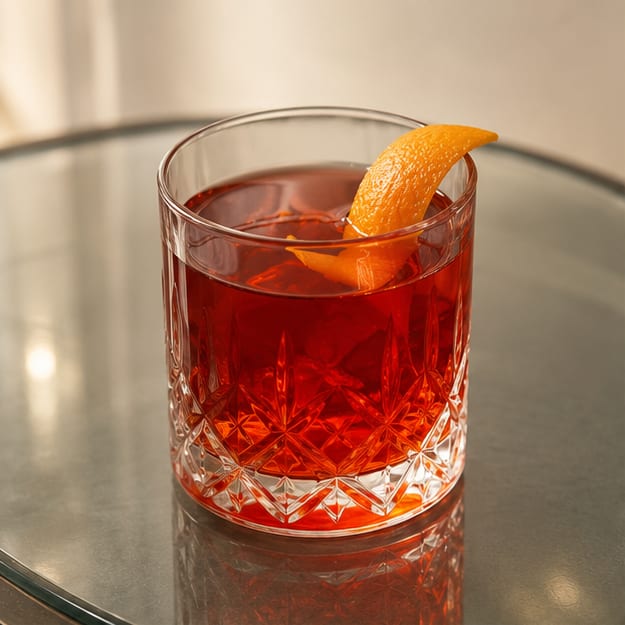
Negroni

Similar cocktail

Negroni

The Negroni uses sweet vermouth instead of dry vermouth and skips the blue curaçao.

Match

Both drinks are bitter and gin-driven, but the Negroni is richer and sweeter while the Bluebird is sharper, drier, and has a lighter orange note from the curaçao.

In common: spirit-forward, bitter, stirred, served up or on the rocks

Ingredients

Both share

Gin, Campari

Only in Bluebird

Blue Curaçao, Dry Vermouth, Orange Bitters

Only in Negroni

Sweet Vermouth

The Bluebird swaps the sweet vermouth for dry vermouth and blue curaçao, trading the Negroni's rich, sweet backbone for something leaner with a hint of orange.

Flavor

Shared flavors

bitter Campari backbone, botanical gin presence, bracing aperitif style

How Negroni differs

drier, lighter body, faint orange sweetness

View recipe & details →
Boulevardier

Similar cocktail

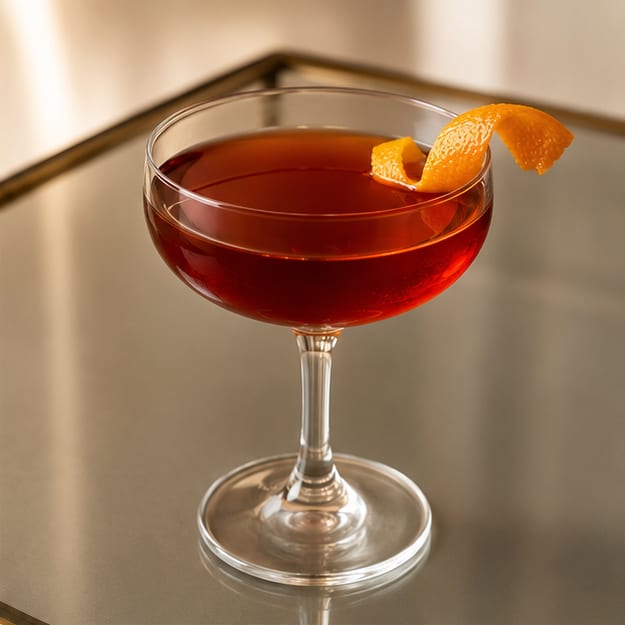
Boulevardier

The Boulevardier uses bourbon and sweet vermouth instead of gin, dry vermouth, and blue curaçao.

Match

The Boulevardier shares the bitter Campari core but tastes completely different, leaning into warm vanilla and caramel from the bourbon instead of the sharp, dry botanicals of the Bluebird.

In common: spirit-forward, bitter, stirred, aperitif

Ingredients

Both share

Campari

Only in Bluebird

Gin, Blue Curaçao, Dry Vermouth, Orange Bitters

Only in Boulevardier

Bourbon Whiskey, Sweet Vermouth

The Boulevardier swaps out the gin for bourbon and the dry vermouth and curaçao for sweet vermouth, making it a warmer, richer drink.

Flavor

Shared flavors

bitter Campari backbone, aperitif weight

How Boulevardier differs

warmer, whiskey-driven, sweeter, heavier body

View recipe & details →

History

Origin

Harry MacElhone is credited with creating the Bluebird at Harry's New York Bar in Paris during the 1920s. It first appeared in print in his 1927 cocktail book, originally using a slightly different recipe before settling into its modern form.

Creator
Harry MacElhone
Era
1920s
Confidence

The original Harry MacElhone recipe used equal parts gin, blue curaçao, and Campari without dry vermouth, but the modern standard includes dry vermouth and orange bitters.

Practical

Tips & pitfalls

What works at home and what to skip when making this drink.

Tips

Worth knowing before you pour

  • Use a good London Dry gin so the botanicals can stand up to the Campari.
  • Keep your dry vermouth in the fridge after opening so it stays fresh.
  • Stir with large, solid ice cubes to avoid over-diluting the drink.

Avoid

Common mistakes

  • Do not use cheap blue curaçao, it tastes like cough syrup.
  • Do not shake this drink, it will make it cloudy and watered down.