cocktaildna

London, United Kingdom · 1930

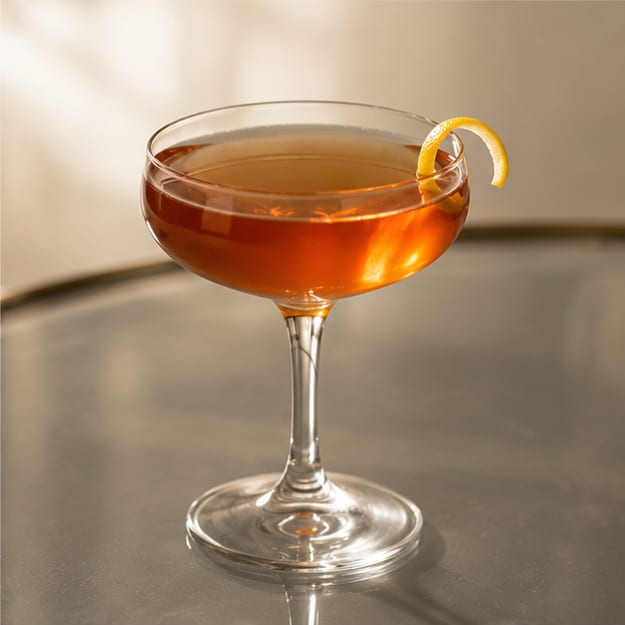
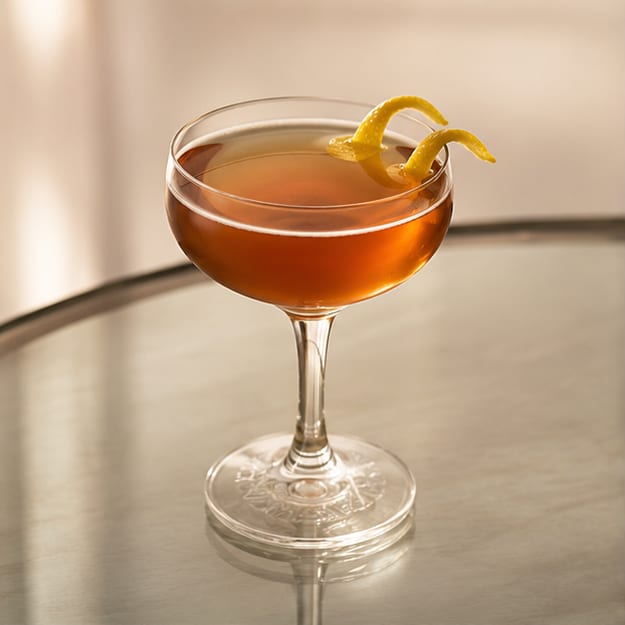
Bobby Burns

Also known as Robbie Burns, Robert Burns Cocktail

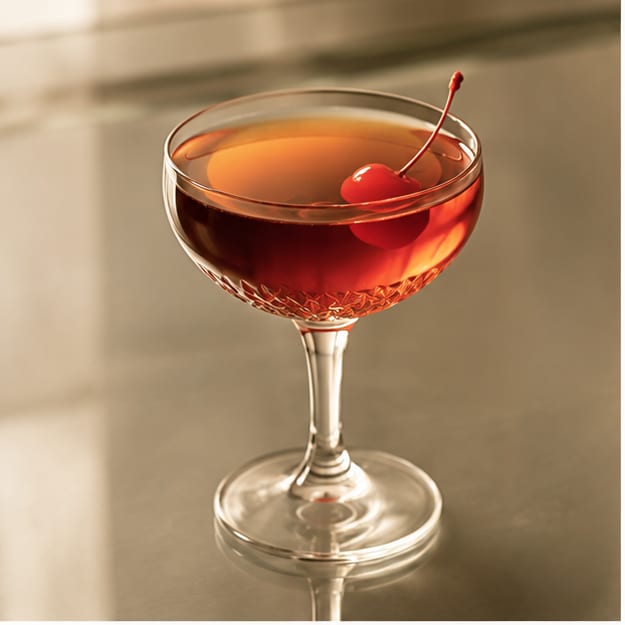
A rich, herbal Manhattan variation that swaps out the whiskey for Scotch and adds a hit of Benedictine.

herbalwhiskysweet vermouthbenedictinenightcapscotchwarmingspirit-forward

%

ABV

Difficulty

Bobby Burns

Overview

What this drink is like

The first sip brings sweet vermouth and the herbal punch of Benedictine, followed by the malty, slightly smoky warmth of the Scotch. It finishes long and spicy, with the honeyed herbs lingering on the back of your palate.

Who will like it

For people who like spirit-forward, herbal drinks with a rich, sweet backbone and a touch of smoke.

When to drink

This makes a great slow-sipping nightcap when you want something warming but not too heavy.

Ordering tip

Ask for it with a blended Scotch if you want it smoother, or a peaty single malt if you want more smoke.

Ice: NoneTemp: ColdCost: $3–$6Glass: CoupeBatch-friendlyMake aheadHome bar friendly

Flavor

Taste profile

This is a rich, sweet, and herbal cocktail with a heavy, warming body. The Scotch brings a malty, slightly smoky edge that cuts through the honeyed sweetness of the Benedictine and vermouth. It drinks like a cozy, spiced nightcap that reveals new flavors the longer you sit with it.

Finish: The finish runs long and warm, with herbal spice and a touch of malt lingering well after the sip.

Primary tastes

herbalsweetearthy

Secondary

smokyspicy

Aroma

lemon zesthoneyherbalmalt
  • Bitternessmildly bitter

    The Benedictine and bitters add a faint herbal bite, but it stays mostly sweet.

  • Sweetnessfairly sweet

    Sweet vermouth and honeyed Benedictine make this a decidedly sweet sipper.

  • Strengthstrong

    Equal parts spirit and vermouth plus a liqueur make this a stiff, warming drink.

  • Refreshingnot refreshing

    This is a heavy, sipping drink meant for slow enjoyment, not quenching thirst.

  • Smokinesslight smoke

    The Scotch adds a wisp of smoke that peeks through the sweet vermouth.

  • Creaminesslight body

    Stirring gives it a silky weight, though it isn't thick or creamy.

  • Complexityhighly complex

    The blend of dozens of herbs from the Benedictine and vermouth alongside the malt creates deep layers.

Recipe

Make it at home

Stirred · Coupe · equal parts on Scotch Whisky. Blended Scotch is traditional; a lightly peated single malt adds depth.

Before you start

Pop a coupe glass in the freezer for a few minutes to get it frosty, and grab a fresh lemon for the twist.

Ingredients

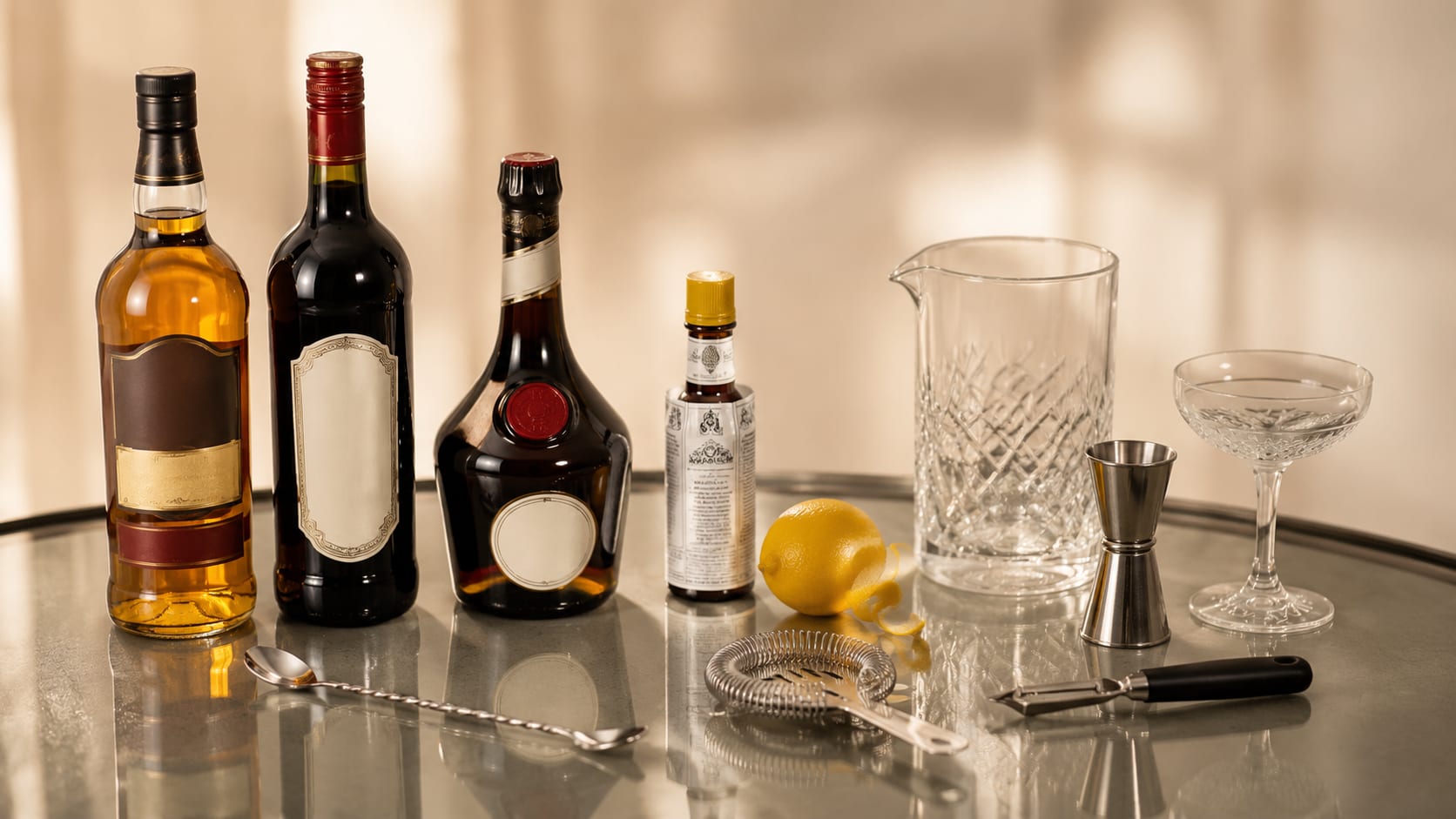
  • Scotch WhiskyBase SpiritBlended Scotch is traditional; a lightly peated single malt adds depth.45ml
  • Sweet VermouthVermouthA good quality sweet vermouth like Carpano Antica works well.45ml
  • BenedictineLiqueurAdds herbal sweetness and honey notes.7.5ml
  • Angostura BittersBittersAdds spice and ties the flavors together.2 dashes
  • Lemon peelGarnishFor aroma.1 twist

Garnish: Lemon twist

Tools

  • Mixing glass · Mixing

    To stir and chill the drink without over-diluting.

    At home: Large pint glass

  • Bar spoon · Mixing

    To stir the ingredients with ice smoothly.

    At home: Long spoon or chopstick

  • Jigger · Measuring

    To measure the Scotch, vermouth, and Benedictine.

    At home: Measuring spoons

  • Hawthorne strainer · Straining

    To strain the ice out of the mixing glass.

    At home: Slotted spoon or fine mesh strainer

  • Coupe glass · Serving

    To serve the drink chilled and neat.

    At home: Any stemmed wine glass

  • Vegetable peeler · Garnish

    To cut a clean lemon twist.

    At home: Paring knife

Ingredients and tools to make Bobby Burns
Ingredients and tools

Steps

  1. 1

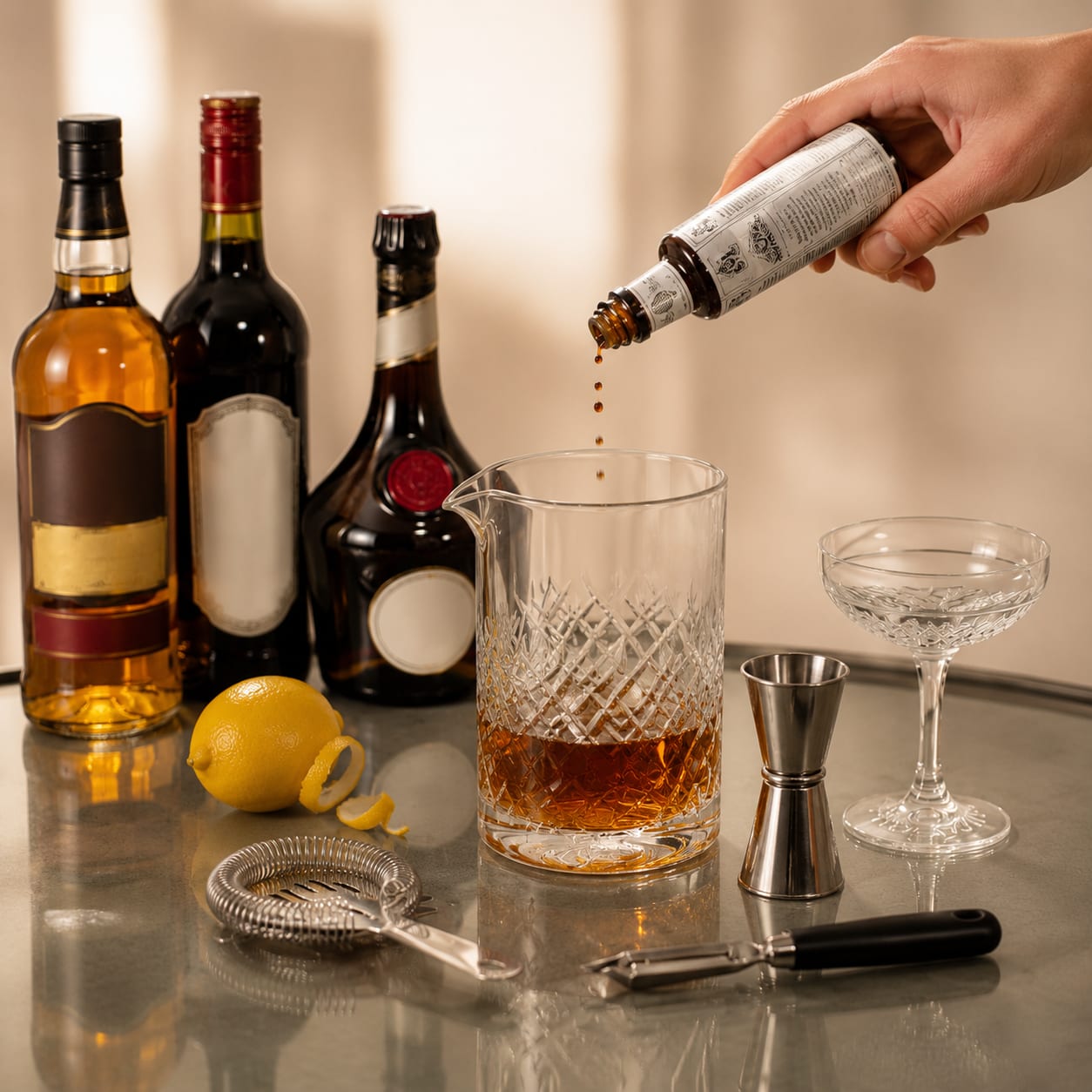
    Measure 45ml of Scotch, 45ml of sweet vermouth, and 7.5ml of Benedictine into your mixing glass. Add 2 dashes of Angostura bitters right on top.

    Step 1 — how to make Bobby Burns

    !Using too much Benedictine will make the drink overly sweet and syrupy.

  2. 2

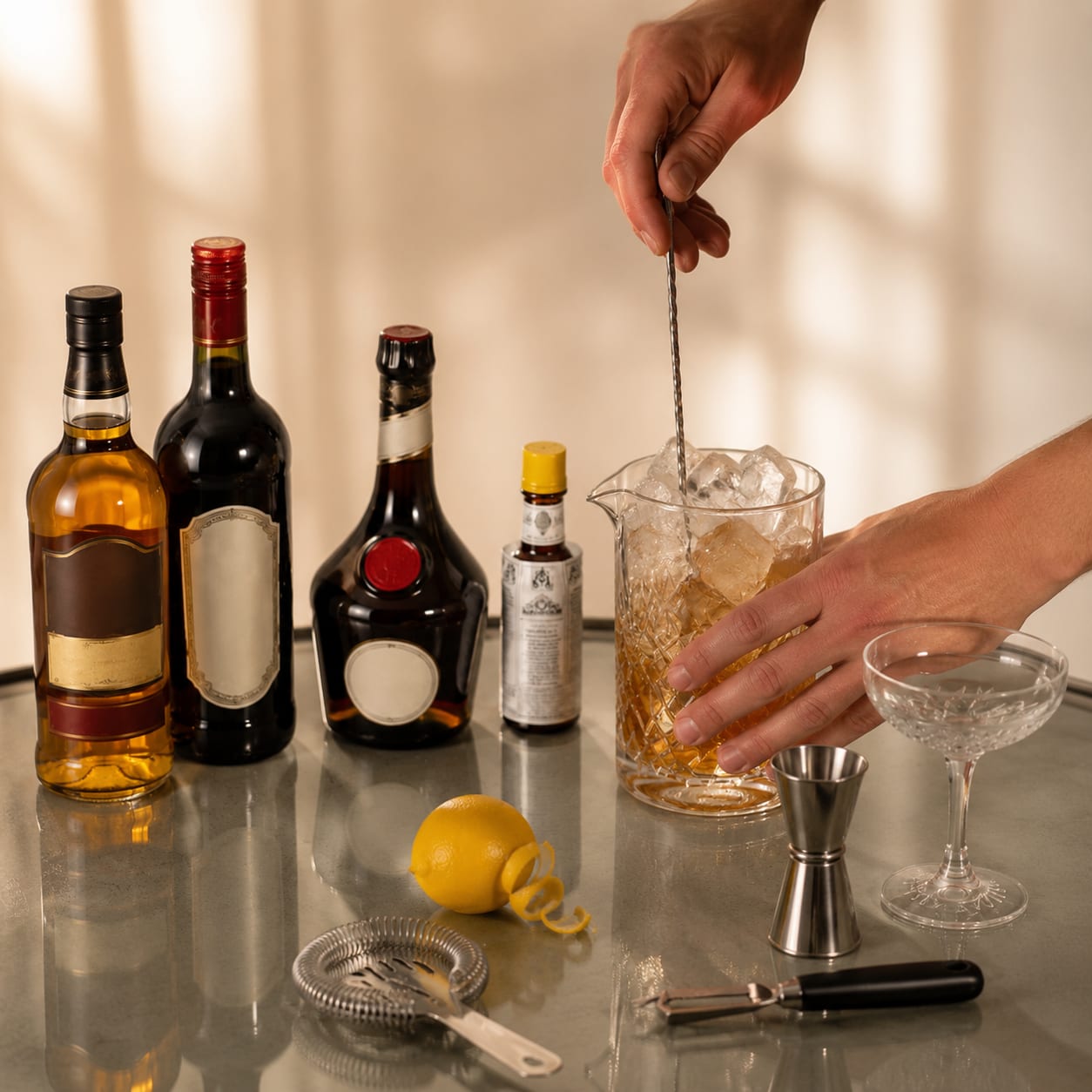
    Fill the mixing glass to the top with ice—big cubes are best so they melt slower. Grab your bar spoon and stir smoothly for about 20 to 30 seconds until the outside of the glass feels very cold to the touch.

    ~25s

    Step 2 — how to make Bobby Burns

    !Stirring too fast or chipping the ice will make the drink watery instead of silky.

  3. 3

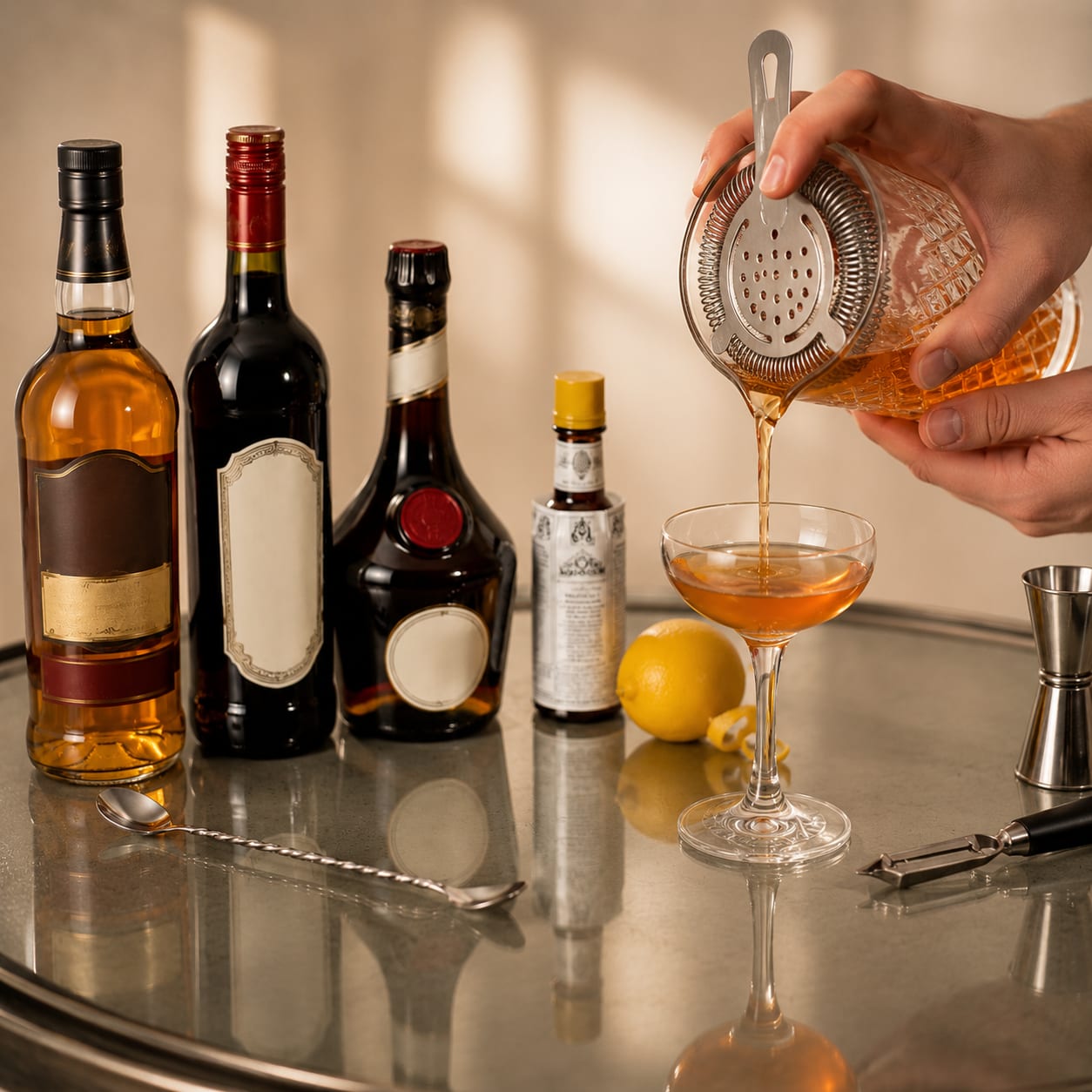
    Take your chilled coupe glass and hold the Hawthorne strainer tightly over the top of the mixing glass. Pour the drink through the strainer into the glass, leaving all the ice behind.

    Step 3 — how to make Bobby Burns

    !Spilling ice into the glass ruins the neat, chilled look.

  4. 4

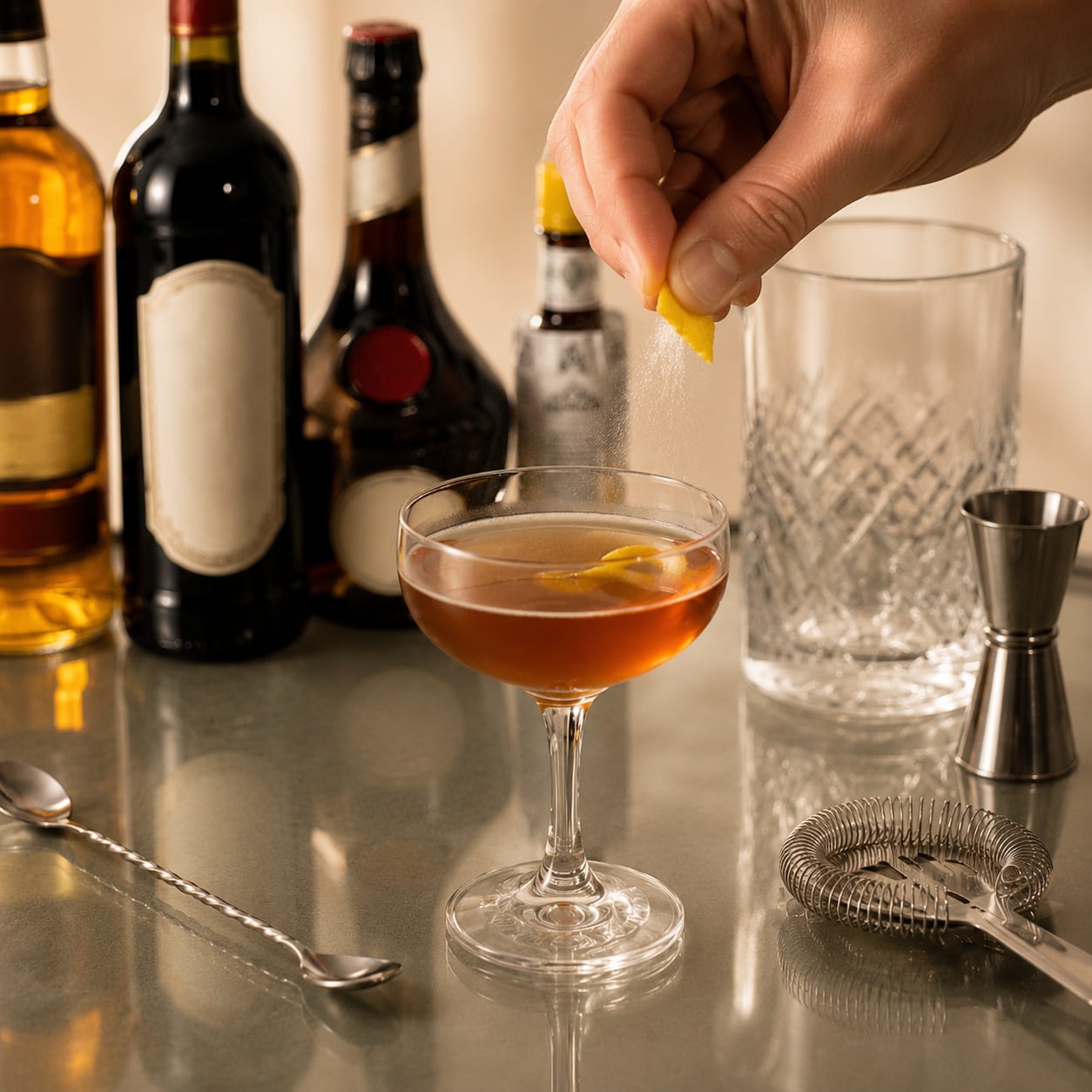
    Take your lemon peel and give it a good twist over the surface of the drink so the citrus oils spray across the top. Rub the peel along the rim of the glass, then drop it into the drink.

    Step 4 — how to make Bobby Burns

    !Squeezing the peel too hard releases bitter pith oils instead of the fragrant zest.

Serve

Serve it right away while it's cold, no ice in the glass. The lemon oils on top are a big part of the first sip, so don't skip the twist.

Variations

Ingredient substitutions

Each row shows what you can swap in place of an original ingredient, and how the drink changes.

Swap options for Scotch Whisky

  • Scotch WhiskyBourbon Whiskey
    Match
    Common availability

    Scotch WhiskyBourbon Whiskey: Makes the drink sweeter and less smoky, turning it closer to a Manhattan.

  • Scotch WhiskyRye Whiskey
    Match
    Common availability

    Scotch WhiskyRye Whiskey: Adds a spicier, drier bite without the smoky notes of Scotch.

Swap options for Benedictine

  • BenedictineDrambuie
    Match
    Specialty availability

    BenedictineDrambuie: Adds more honey and smoke, but loses some of the complex herbal notes.

Related

Similar cocktails

Cousin drinks that share DNA with this one — each profile stands on its own.

Rob Roy

Similar cocktail

Rob Roy

The Bobby Burns adds Benedictine, making it sweeter and more herbal than the straightforward Rob Roy.

Match

Both drinks share a malty, sweet profile, but the Bobby Burns drinks sweeter and more complex due to the Benedictine, while the Rob Roy lets the Scotch stand more on its own.

In common: Scotch-forward, sweet vermouth backbone, stirred, spirit-forward

Ingredients

Both share

Scotch Whisky, Sweet Vermouth, Angostura Bitters

Only in Bobby Burns

Benedictine

The Bobby Burns includes Benedictine, which adds a layer of honeyed herbal sweetness that the Rob Roy lacks entirely.

Flavor

Shared flavors

Malty Scotch base, sweet vermouth richness, warming finish

How Rob Roy differs

sweeter, more herbal, less Scotch-forward

View recipe & details →
Manhattan

Similar cocktail

Manhattan

The Manhattan uses American whiskey and lacks the herbal Benedictine found in the Bobby Burns.

Match

The Manhattan is drier and spicier from the rye, while the Bobby Burns is sweeter, smokier, and more herbal from the Scotch and Benedictine.

In common: Whiskey-based, sweet vermouth backbone, stirred, spirit-forward

Ingredients

Both share

Sweet Vermouth, Angostura Bitters

Only in Bobby Burns

Scotch Whisky, Benedictine

Only in Manhattan

Rye Whiskey

Swapping rye for Scotch and adding Benedictine shifts the drink from spicy and dry to herbal, smoky, and sweet.

Flavor

Shared flavors

Rich sweet vermouth body, spicy bitters backbone, warming spirit kick

How Manhattan differs

smokier, more herbal, less spicy

View recipe & details →

Affinity

Similar cocktail

Affinity

The Affinity uses both dry and sweet vermouth with orange bitters instead of Benedictine.

Match

The Affinity is drier and lighter on the palate due to the dry vermouth, while the Bobby Burns is richer, sweeter, and heavier with the Benedictine.

In common: Scotch-forward, vermouth-driven, stirred, spirit-forward

Ingredients

Both share

Scotch Whisky, Sweet Vermouth, Angostura Bitters

Only in Bobby Burns

Benedictine

Only in Affinity

Dry Vermouth, Orange Bitters

The Affinity splits the vermouth between dry and sweet for a drier profile, whereas the Bobby Burns goes all-in on sweet vermouth and adds Benedictine.

Flavor

Shared flavors

Malty Scotch base, herbal undertones, warming finish

How Affinity differs

drier, lighter body, more tart

View recipe & details →

History

Origin

The drink is named after the Scottish poet Robert Burns and first appeared in print in Harry Craddock's 1930 Savoy Cocktail Book. Some earlier accounts link a similar recipe to the Waldorf-Astoria in New York, but the Craddock book is the first solid publication.

Creator
Harry Craddock (Savoy Cocktail Book)
Era
1930s
IBA
The Unforgettables
Data version
IBA current spec
Confidence

The IBA recipe specifies equal parts Scotch and sweet vermouth with a dash of Benedictine, but most modern bartenders use a barspoon or 7.5ml of Benedictine to keep the drink balanced.

Practical

Tips & pitfalls

What works at home and what to skip when making this drink.

Tips

Worth knowing before you pour

  • Use a blended Scotch for a classic profile, or a peated one for a smokier kick.
  • Benedictine is essential; don't skip it or the drink loses its signature herbal depth.
  • Stir well to get the right dilution; it softens the Scotch and marries the sweet ingredients.

Avoid

Common mistakes

  • Don't use a heavily peated Scotch unless you want smoke to overpower the herbs.
  • Avoid cheap sweet vermouth, as it will make the drink taste flabby and cloying.