cocktaildna

Seattle, United States · 2000

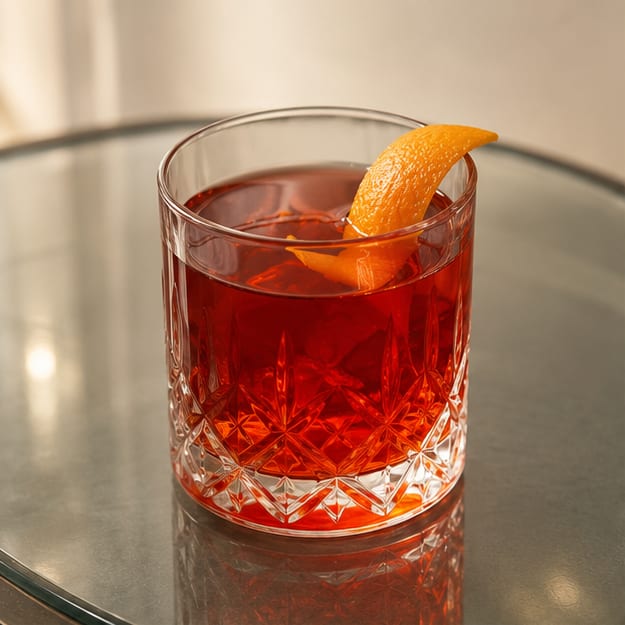
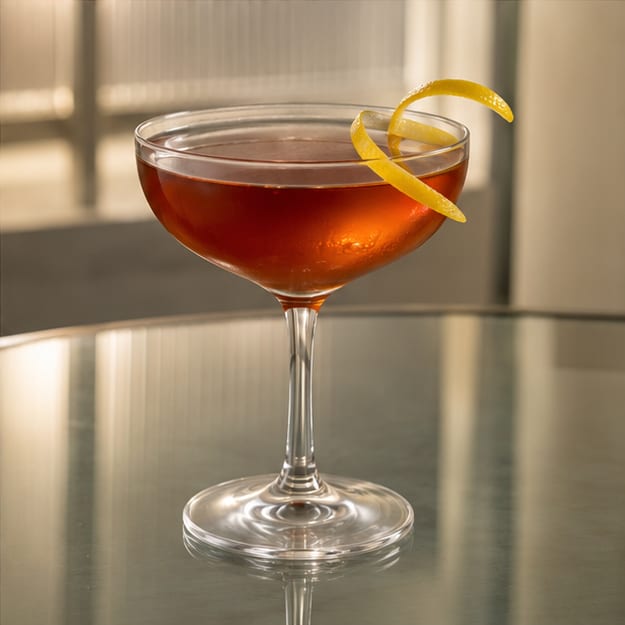
Little Italy

Also known as Little Italy Cocktail

A Manhattan variation that swaps in Cynar for half the vermouth, adding an earthy, vegetal bitterness that makes the drink feel heavier and more brooding.

bitterearthyspirit-forwardherbalamaroryevegetaldarknightcapstirred

%

ABV

Difficulty

Little Italy

Overview

What this drink is like

The first sip hits with rye spice and a dark, root-vegetable bitterness from the Cynar. The middle opens up a little with the sweet vermouth's dried fruit and herbs trying to soften things. The finish is long and bitter, with that distinctive artichoke-amaro note clinging to the back of your tongue.

Who will like it

For people who like bitter, spirit-forward drinks and find a regular Manhattan too sweet or one-dimensional.

When to drink

This is a slow-sipping drink for late evening when you want something with some weight and bitterness to wind down with.

Ordering tip

If your bar has Cynar but doesn't know this drink, just ask for a Manhattan with half the sweet vermouth replaced by Cynar — any decent bartender will understand.

Ice: NoneTemp: ColdCost: $3–$6Glass: CoupeBatch-friendlyMake aheadHome bar friendly

Flavor

Taste profile

This drink is dark and bitter up front, with the Cynar's earthy, almost vegetal character dominating the first sip. The rye spice comes through underneath, adding some heat and structure, while the sweet vermouth tries to bridge the gap with dried fruit and herbal sweetness. It never gets truly sweet — the bitterness always wins out in the end. There's no brightness or citrus to lift it, so it sits heavy and slow on the palate, rewarding patience more than thirst.

Finish: The finish runs long and bitter, with the Cynar's artichoke-and-herb notes lingering well after the rye warmth fades.

Primary tastes

bitterherbalearthy

Secondary

sweetspicy

Aroma

dark herbsartichokedried citrusrye grain
  • Bitternessfirmly bitter

    The Cynar pushes this well past a Manhattan into genuinely bitter territory, though it never reaches the sharp bite of a Campari-forward drink.

  • Sweetnessmoderately sweet

    The sweet vermouth and Cynar both contribute some sugar, but the rye and the amaro's bitterness keep it from tasting sweet overall.

  • Strengthstrong

    Two-thirds of the pour is rye whiskey, so this hits with real alcohol presence, softened only slightly by the lower-proof modifiers.

  • Refreshingnot refreshing

    This is a contemplative, heavy sipper — nothing about it reads as light or thirst-quenching.

  • Complexitylayered

    The rye's spice, the vermouth's dried fruit and botanicals, and the Cynar's vegetal bitterness all pull in different directions, giving you something new on each sip.

Recipe

Make it at home

Stirred · Coupe · equal parts on Rye Whiskey. A spicy, bold rye stands up best to the Cynar; something like Rittenhouse or Bulleit works well

Before you start

Stick your coupe glass in the freezer for at least 10 minutes before making the drink. Pull out fresh ice from the freezer — ice that's been sitting in a bin tastes stale and melts too fast.

Ingredients

  • Rye WhiskeyBase Spirit60ml
  • Sweet VermouthVermouthA richer Italian-style vermouth like Carpano Antica pairs well with the Cynar15ml
  • CynarLiqueurThe 16.5% ABV standard Cynar, not the 70 proof version15ml
  • Lemon PeelGarnishA wide strip of peel, no pith1 twist

Garnish: Lemon twist

Tools

  • Mixing Glass · Mixing

    Holds the ingredients and ice while you stir to chill and dilute the drink

    At home: A large pint glass or any tall, sturdy glass

  • Bar Spoon · Mixing

    Stirs the drink smoothly without splashing

    At home: A long-handled spoon or chopstick

  • Jigger · Measuring

    Measures the whiskey, vermouth, and Cynar accurately

    At home: A tablespoon — 1 tablespoon is roughly 15ml

  • Hawthorne Strainer · Straining

    Strains the ice out when pouring the drink into the glass

    At home: A small fine-mesh sieve

  • Coupe Glass · Serving

    Serves the drink chilled and up, no ice

    At home: A small wine glass or any 120–180ml stemmed glass

  • Vegetable Peeler · optional · Garnish

    Cuts a clean, wide strip of lemon peel for the garnish

    At home: A small sharp knife, cutting carefully around the fruit

Steps

  1. 1

    Take your frozen coupe glass out of the freezer and set it on the bar. If you forgot to freeze it, fill it with ice water and let it sit while you build the drink — just dump it out before straining.

  2. 2

    Measure 60ml rye whiskey, 15ml sweet vermouth, and 15ml Cynar into the mixing glass. Pour them right in — the order doesn't matter since you're stirring everything together.

    !Pouring the Cynar first can make it harder to read the whiskey level if you're free-pouring, since the dark liquid obscures the glass.

  3. 3

    Fill the mixing glass about three-quarters full with ice — big, solid cubes if you have them. The ice should sit above the liquid line so everything chills evenly.

    !Using small, cracked ice waters the drink down too fast before it gets properly cold.

  4. 4

    Stir with your bar spoon in smooth, slow circles for about 25 to 30 seconds. Keep the spoon against the inside wall of the glass and rotate the glass slightly as you go. You're done when the outside of the mixing glass feels genuinely cold to the touch and there's condensation forming.

    ~28s

    !Stirring too fast or clanking the spoon around chips the ice and clouds the drink.

  5. 5

    Hold the Hawthorne strainer over the mixing glass with the spring facing down, and pour the drink into your chilled coupe. Pour slowly and steadily so you don't splash. The drink should be clear and dark amber.

    !Pouring too fast lets small ice chips slip past the strainer into the finished drink.

  6. 6

    Take your lemon peel and hold it over the drink, colored side facing the surface. Twist it firmly so a fine mist of lemon oils sprays across the top of the cocktail. Drop the peel in or rest it on the rim.

    !Squeezing the peel into the drink instead of twisting it muddles the oil pattern and can drop bitter pith into the glass.

Serve

Serve it right away in the chilled coupe — no ice in the glass. The drink should be cold enough that you feel the chill on the first sip, not room temperature.

Variations

Ingredient substitutions

Each row shows what you can swap in place of an original ingredient, and how the drink changes.

Swap options for Rye Whiskey

  • Rye WhiskeyBourbon Whiskey
    Match
    Common availability

    Rye WhiskeyBourbon Whiskey: Makes the drink sweeter and rounder, losing the spicy edge that balances the Cynar's bitterness.

Swap options for Cynar

  • CynarAverna
    Match
    Specialty availability

    CynarAverna: Sweeter and less vegetal, with more orange and cola notes — the drink loses its distinctive artichoke character.

  • CynarCampari
    Match
    Common availability

    CynarCampari: Much sharper and more astringently bitter, with bright orange notes replacing the earthy vegetal quality.

  • CynarAmaro Nonino
    Match
    Specialty availability

    CynarAmaro Nonino: Lighter, sweeter, and more orange-forward — the drink becomes gentler and less brooding.

Swap options for Sweet Vermouth

  • Sweet VermouthPunt e Mes
    Match
    Specialty availability

    Sweet VermouthPunt e Mes: Adds an extra layer of bitterness on top of the Cynar, making the drink even more for bitter-lovers only.

Related

Similar cocktails

Cousin drinks that share DNA with this one — each profile stands on its own.

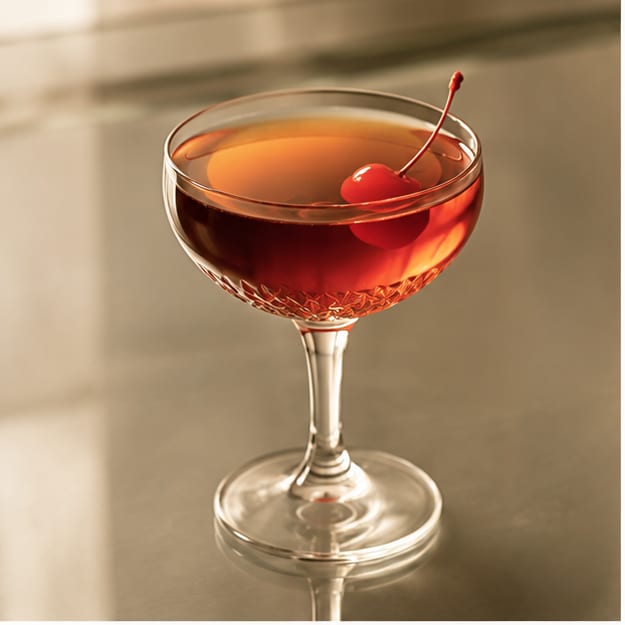
Manhattan

Similar cocktail

Manhattan

The Manhattan uses only sweet vermouth as a modifier, making it sweeter and less bitter, while the Little Italy splits the modifier between vermouth and Cynar.

Match

Both drinks are rye-forward and stirred, but where a Manhattan leans rich and sweet, the Little Italy is drier and more bitter thanks to the Cynar. The Manhattan is friendlier; the Little Italy has more edge.

In common: spirit-forward, stirred, served up, whiskey base with sweet vermouth

Ingredients

Both share

Rye Whiskey, Sweet Vermouth

Only in Little Italy

Cynar

The Little Italy replaces half the sweet vermouth in a standard Manhattan with Cynar, which cuts the sweetness and adds a bitter, vegetal layer the Manhattan doesn't have.

Flavor

Shared flavors

whiskey-forward backbone, dark and spirit-driven, stirred and served up cold

How Manhattan differs

more bitter, less sweet, earthier and more vegetal, longer bitter finish

View recipe & details →
Boulevardier

Similar cocktail

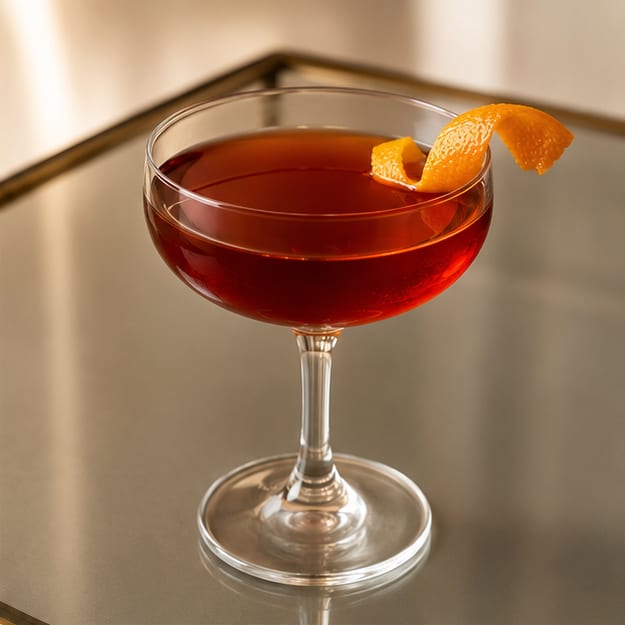
Boulevardier

The Boulevardier uses Campari instead of Cynar, giving it a brighter, more citrus-forward bitterness rather than an earthy, vegetal one.

Match

The Boulevardier feels more vibrant and orange-driven, while the Little Italy feels darker and more brooding. Both are bitter whiskey cocktails, but they occupy very different moods.

In common: spirit-forward, stirred, whiskey base with bitter liqueur and sweet vermouth

Ingredients

Both share

Rye Whiskey, Sweet Vermouth

Only in Little Italy

Cynar

Only in Boulevardier

Campari

Swapping Cynar for Campari changes the entire bitter character — Campari is bright and orange-forward, while Cynar is dark, earthy, and vegetal.

Flavor

Shared flavors

bitter-sweet structure, whiskey backbone, stirred and spirit-forward

How Boulevardier differs

brighter vs earthier bitterness, citrus notes vs vegetal notes, lighter body vs heavier feel

View recipe & details →

Negroni

Similar cocktail

Negroni

The Negroni uses gin and Campari, making it lighter and brighter, while the Little Italy uses rye and Cynar for a darker, earthier profile.

Match

A Negroni is crisp and bright with gin's florals and Campari's orange; the Little Italy is heavier and more grounded, with rye's spice and Cynar's dark herbs replacing that brightness entirely.

In common: bitter-sweet structure, stirred, served up, equal-parts or near-equal-parts construction

Ingredients

Both share

Sweet Vermouth

Only in Little Italy

Rye Whiskey, Cynar

Only in Negroni

Gin, Campari

Both drinks combine a base spirit with a bitter liqueur and sweet vermouth, but the spirit and the bitter modifier are completely different, shifting the flavor from bright and botanical to dark and earthy.

Flavor

Shared flavors

bitter-sweet backbone, botanical complexity, stirred and served cold

How Negroni differs

darker and earthier vs brighter and more floral, heavier body vs lighter body, vegetal bitterness vs citrus bitterness

View recipe & details →

History

Origin

Robert Hess created the Little Italy in the early 2000s as a way to incorporate Cynar into a Manhattan-style structure. The name references the Italian origins of both Cynar and many sweet vermouths, nodding to the amaro's role in the drink.

Creator
Robert Hess
Era
2000s
Confidence

The exact year of creation is not firmly documented; early 2000s is the commonly cited timeframe. The original Robert Hess recipe uses a 4:1:1 ratio of rye to vermouth to Cynar, which is the spec used here.

Practical

Tips & pitfalls

What works at home and what to skip when making this drink.

Tips

Worth knowing before you pour

  • Use a bold, high-proof rye — anything under 50% ABV gets lost behind the Cynar.
  • Cynar's flavor changes noticeably as the bottle ages; a fresh bottle tastes more vegetal.
  • Stir a little longer than you think — the dilution helps open up the Cynar's complexity.
  • A lemon twist works better than a cherry here; the oils cut through the earthy bitterness.

Avoid

Common mistakes

  • Don't use a delicate, low-proof rye — it disappears behind the Cynar.
  • Don't skip chilling the glass — a warm coupe kills the texture.
  • Don't over-pour the Cynar — even a small extra amount makes the drink unbalanced.