
cocktaildna

Paradise

Also known as Paradise Cocktail

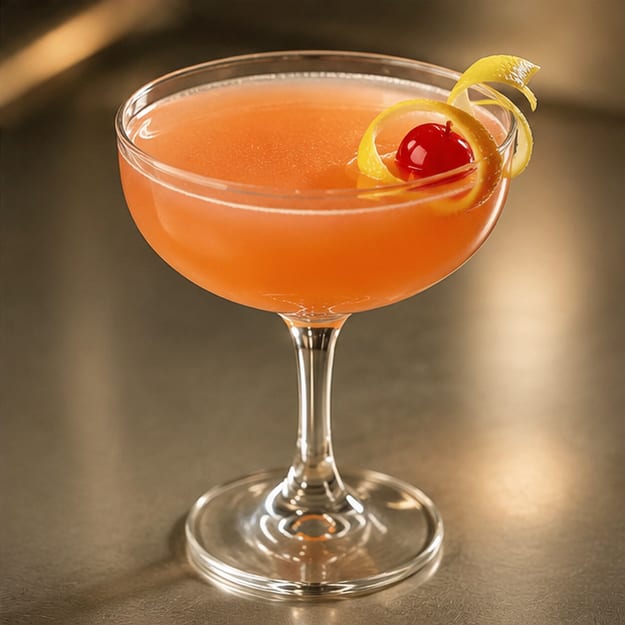
A fruity, gin-based classic that leans heavily on apricot and orange for a soft, sweet sip.

apricotorangeginfruitysweetshakenbrunchclassic

%

ABV

Difficulty

Paradise

Overview

What this drink is like

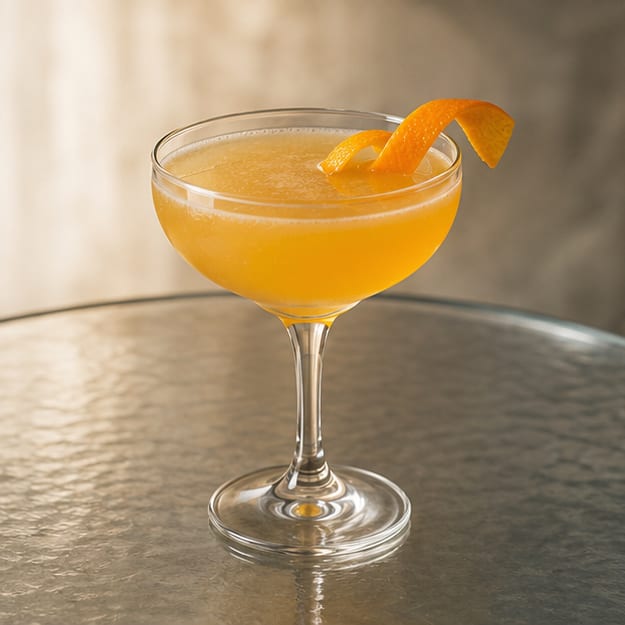
The first sip is all ripe apricot and bright orange juice, sweet and very forward. The gin pulls through in the middle, adding a dry botanical backbone that keeps it from tasting like plain juice. It finishes short and a little sweet, with the orange oils from the garnish lingering longer than the drink itself.

Who will like it

This is for drinkers who like fruity, juice-driven cocktails but still want a noticeable kick of spirit underneath.

When to drink

Serve this at brunch or as a sunny afternoon starter when you want something easygoing.

Ordering tip

Ask the bartender to go easy on the orange juice and heavy on the apricot if you want the drink to taste less like breakfast and more like a proper cocktail.

Ice: NoneTemp: ColdCost: $2–$4Glass: CoupeBatch-friendlyHome bar friendly

Flavor

Taste profile

This is a sweet, fruit-driven drink where apricot and orange do most of the talking. The gin is there to give it a grown-up backbone, but you will taste the fruit long before you taste the booze. It has a soft, rounded mouthfeel rather than a sharp bite, and it finishes cleanly with just a trace of orange oil. It is not a complicated sipper, but it is satisfying if you want something easy and bright.

Finish: The finish is short and sweet, leaving a lingering taste of orange peel and faint apricot on the tongue.

Primary tastes

sweetfruity

Secondary

floralherbal

Aroma

ripe apricotorange zestjuniper
  • Bitternesslow bitterness

    Only a faint bitter edge from the gin and the optional orange bitters comes through.

  • Sweetnessquite sweet

    The apricot brandy and orange juice push this firmly into sweet territory.

  • Sournessmild acidity

    The orange juice adds a little tartness, but it does not bite like lemon or lime.

  • Strengthmoderate strength

    The juice and liqueur mask the alcohol well, making it taste lighter than it is.

  • Refreshingfairly refreshing

    Cold and fruity enough to be refreshing, though the sweetness weighs it down slightly.

  • Creaminesslight body

    The drink has a soft, slightly syrupy weight from the apricot brandy but no creaminess.

  • Complexitymoderate complexity

    The gin adds some depth to the simple fruit flavors, but it stays straightforward.

Recipe

Make it at home

Shaken · Coupe · equal parts on Gin. London Dry recommended so the botanicals cut through the sweet juice

Before you start

Put your coupe glass in the freezer for a few minutes if you can. Squeeze your orange juice right before making the drink so it tastes lively, not flat.

Ingredients

  • GinBase Spirit35ml
  • Apricot BrandyLiqueurA real apricot brandy or liqueur, not cheap apricot syrup20ml
  • Orange JuiceJuiceFresh squeezed is best; bottled tastes flat30ml
  • Orange BittersoptionalBittersTies the orange juice and gin together1 dash

Garnish: Orange twist

Tools

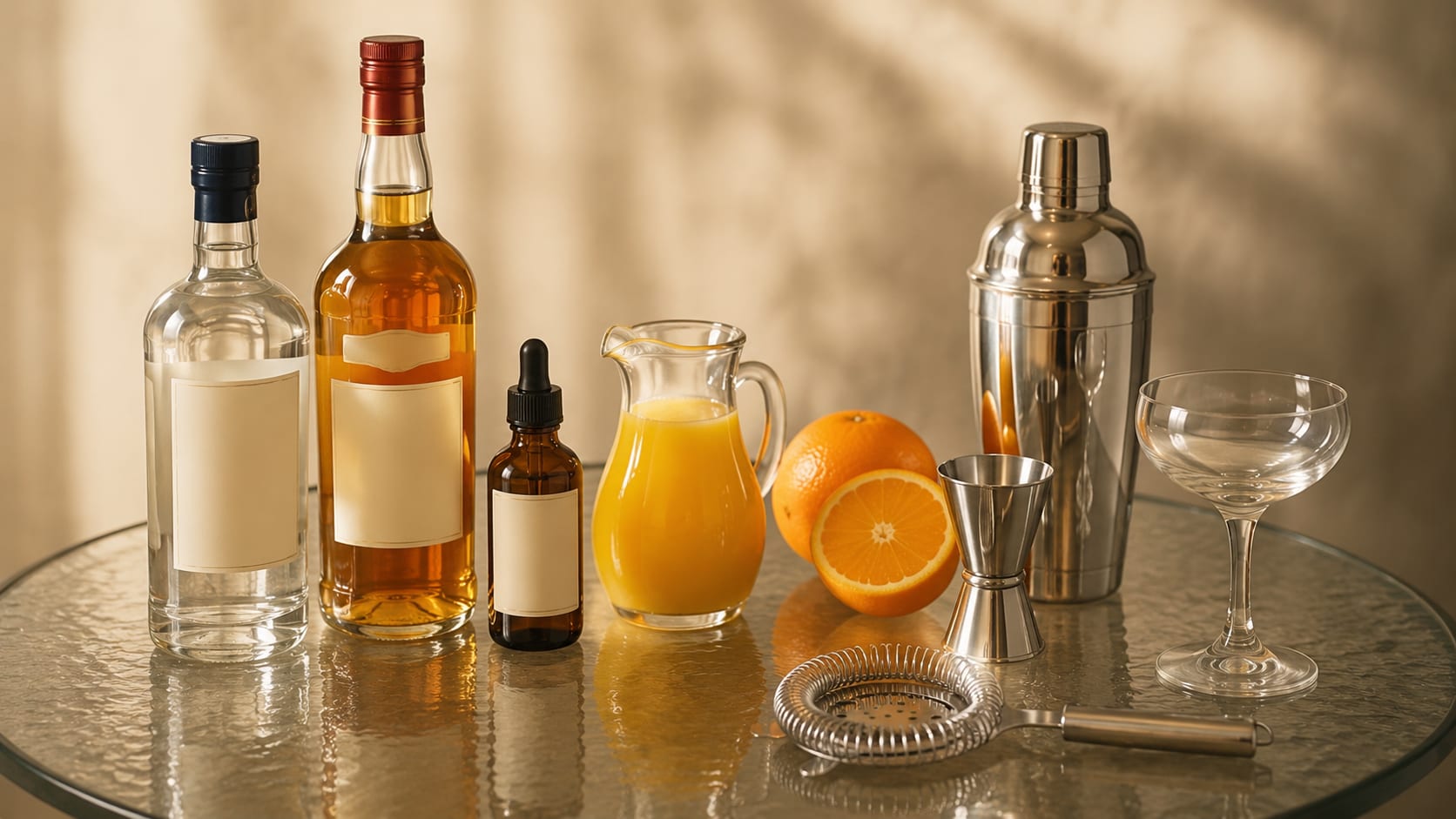
  • Cocktail Shaker · Shaking

    To shake and chill the juice and spirit mixture

    At home: A large mason jar with a tight lid

  • Jigger · Measuring

    To measure the gin, apricot brandy, and orange juice

    At home: A measuring shot glass or tablespoon

  • Hawthorne Strainer · Straining

    To hold back the ice and any pulp when pouring into the glass

    At home: A slotted spoon or fine mesh sieve

  • Coupe Glass · Serving

    To serve the drink up, keeping it cold without diluting it further

    At home: A small wine glass or Champagne saucer

  • Citrus Peeler · optional · Garnish

    To cut a clean strip of orange peel for the garnish

    At home: A vegetable peeler or sharp paring knife

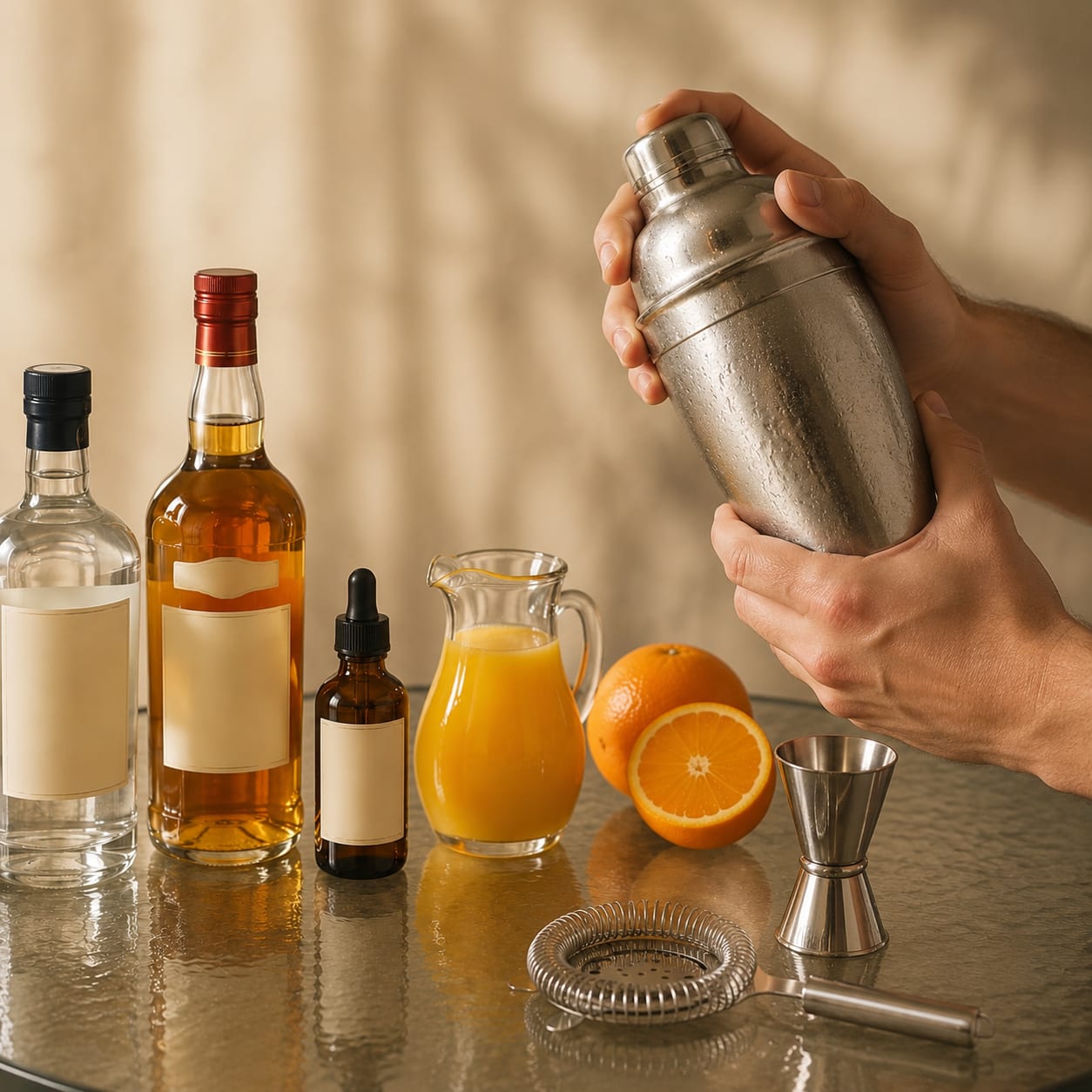
Ingredients and tools to make Paradise
Ingredients and tools

Steps

  1. 1

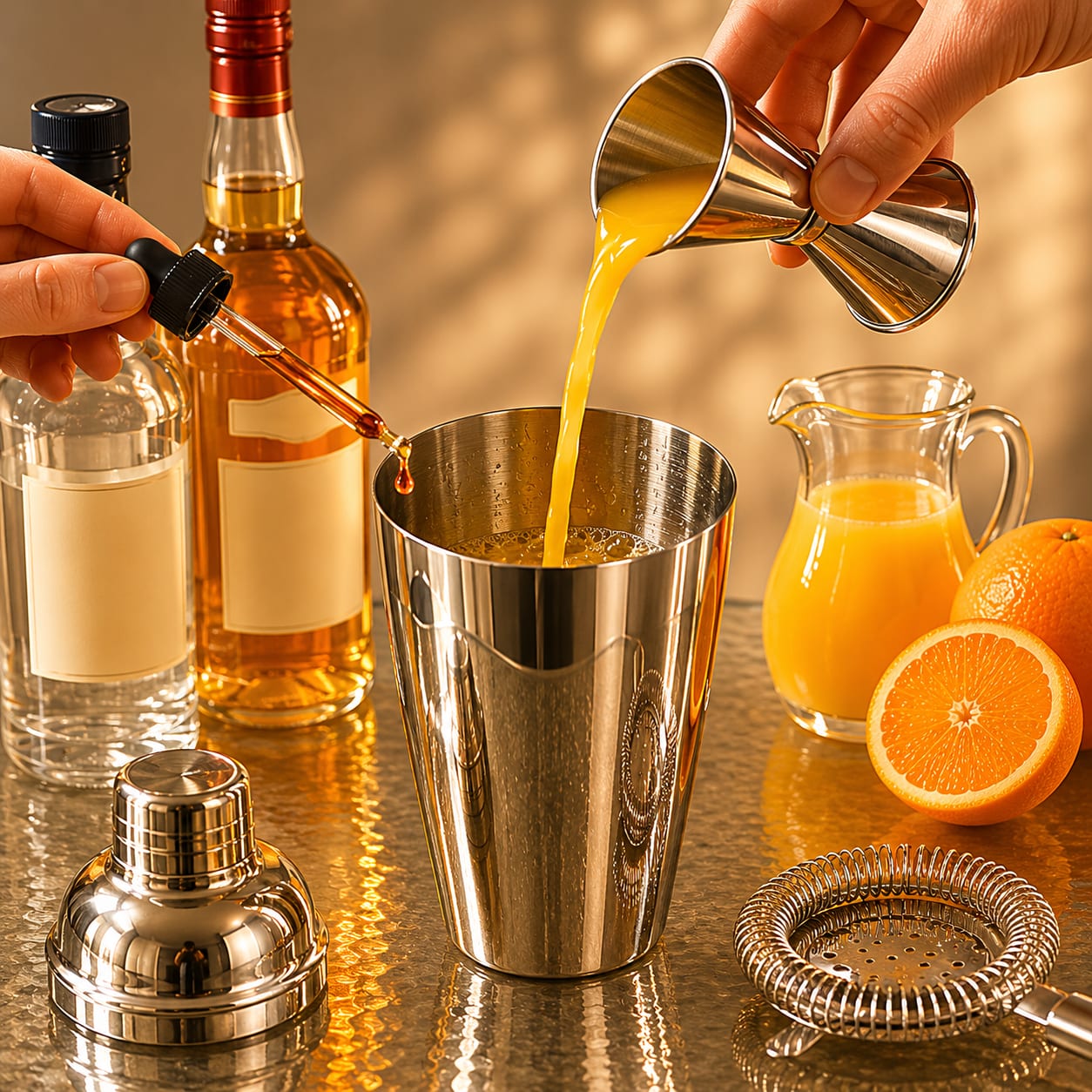
    Measure 35ml of gin, 20ml of apricot brandy, and 30ml of fresh orange juice using your jigger, and pour them all into your empty shaker. Add 1 dash of orange bitters if you are using it.

    Step 1 — how to make Paradise

    !Using cheap apricot liqueur that tastes like candy syrup instead of real fruit.

  2. 2

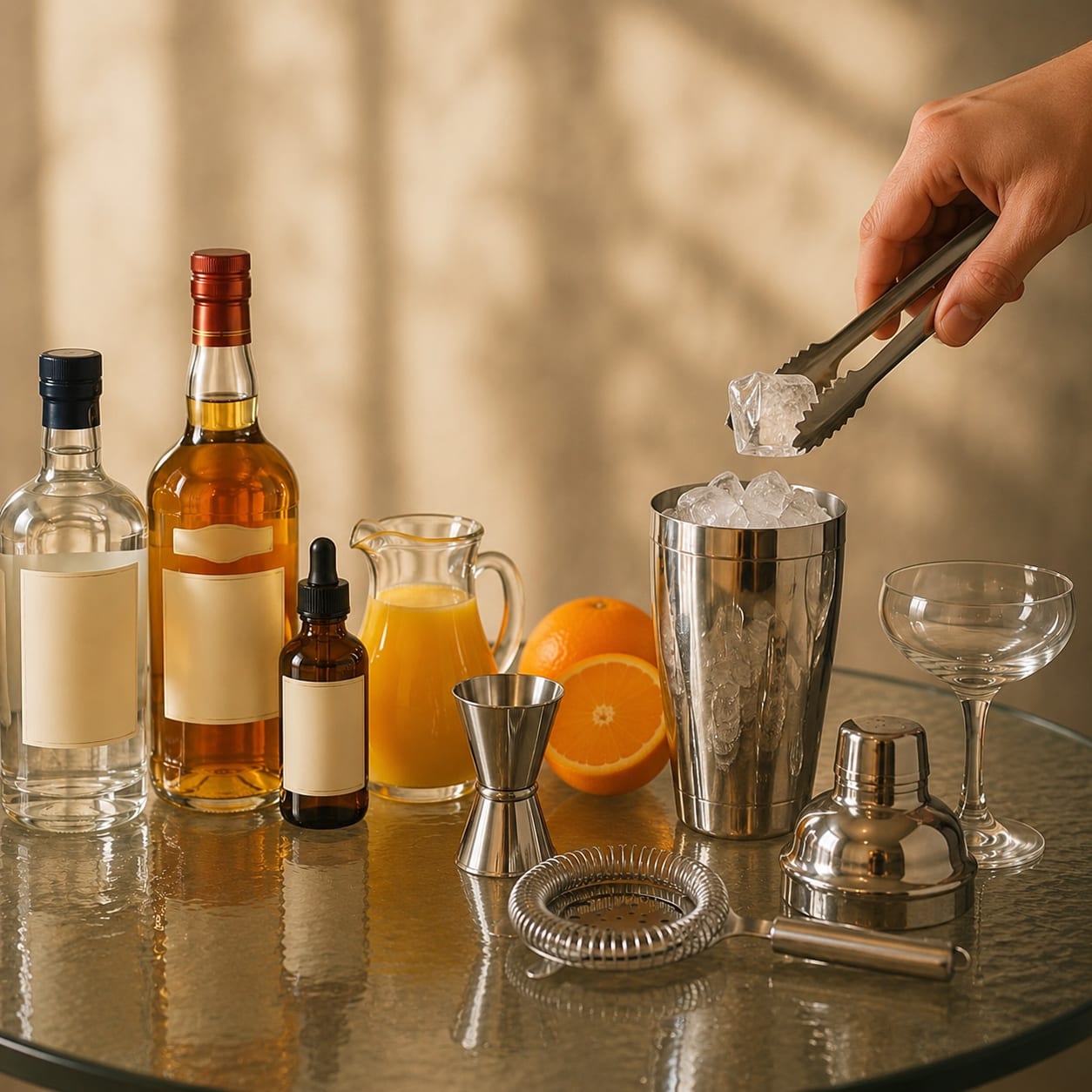
    Fill the shaker about two-thirds full with ice cubes. The ice should come up past the liquid line so everything chills down fast.

    Step 2 — how to make Paradise

    !Using too little ice, which makes the drink watery instead of cold.

  3. 3

    Put the top on the shaker and shake hard for about 10 to 12 seconds. You want to hear a solid rattle and feel the metal get frosty on the outside. That cold metal tells you the drink is properly chilled and the citrus is fully mixed.

    ~12s

    Step 3 — how to make Paradise

    !Shaking too gently, which leaves the orange juice and alcohol poorly blended.

  4. 4

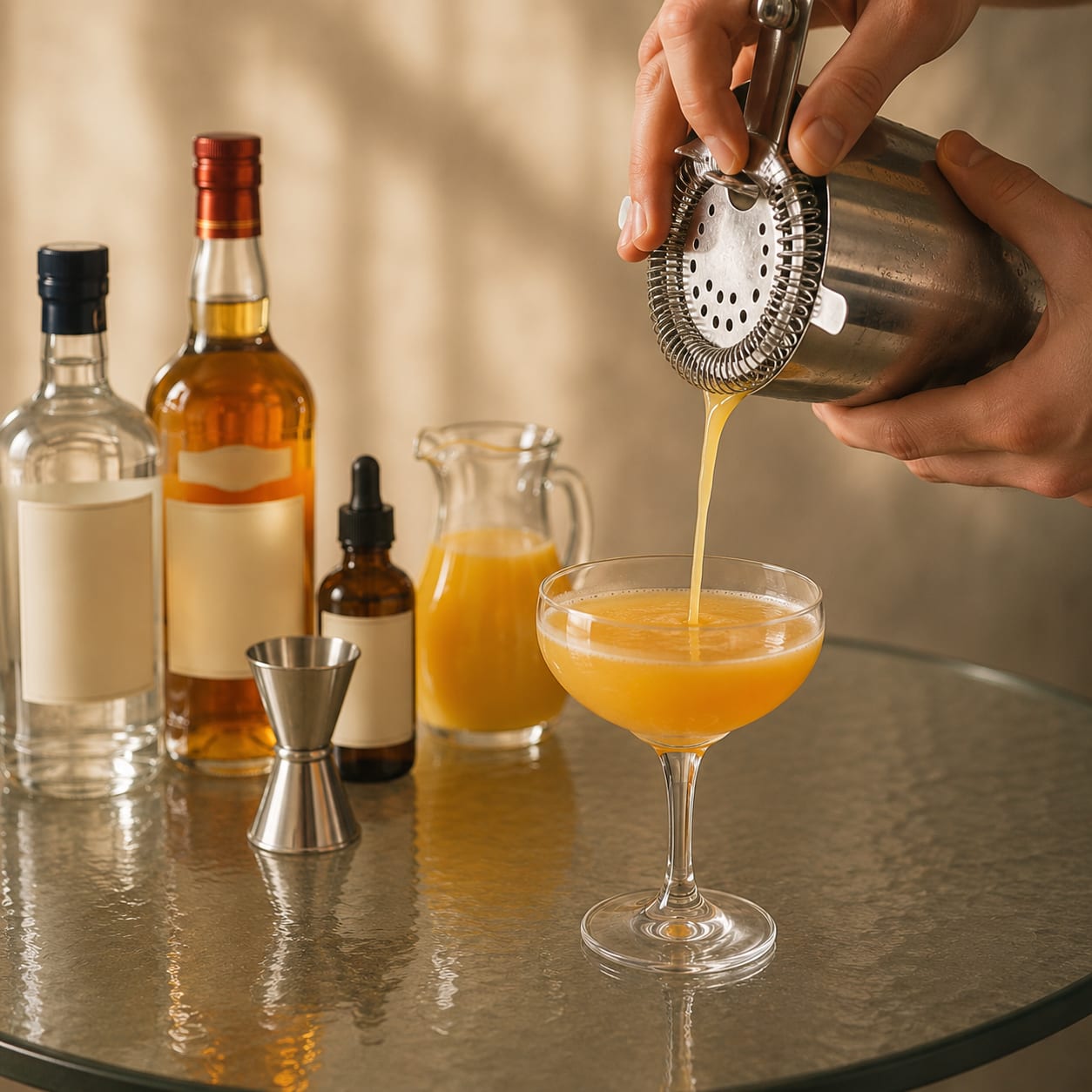
    Take the top off and fit your Hawthorne strainer over the mouth of the shaker. Pour the drink through the strainer into your chilled coupe glass. Let every last drop run out, but keep the ice behind.

    Step 4 — how to make Paradise

    !Letting small ice shards slip into the glass, which melt and water down the drink quickly.

  5. 5

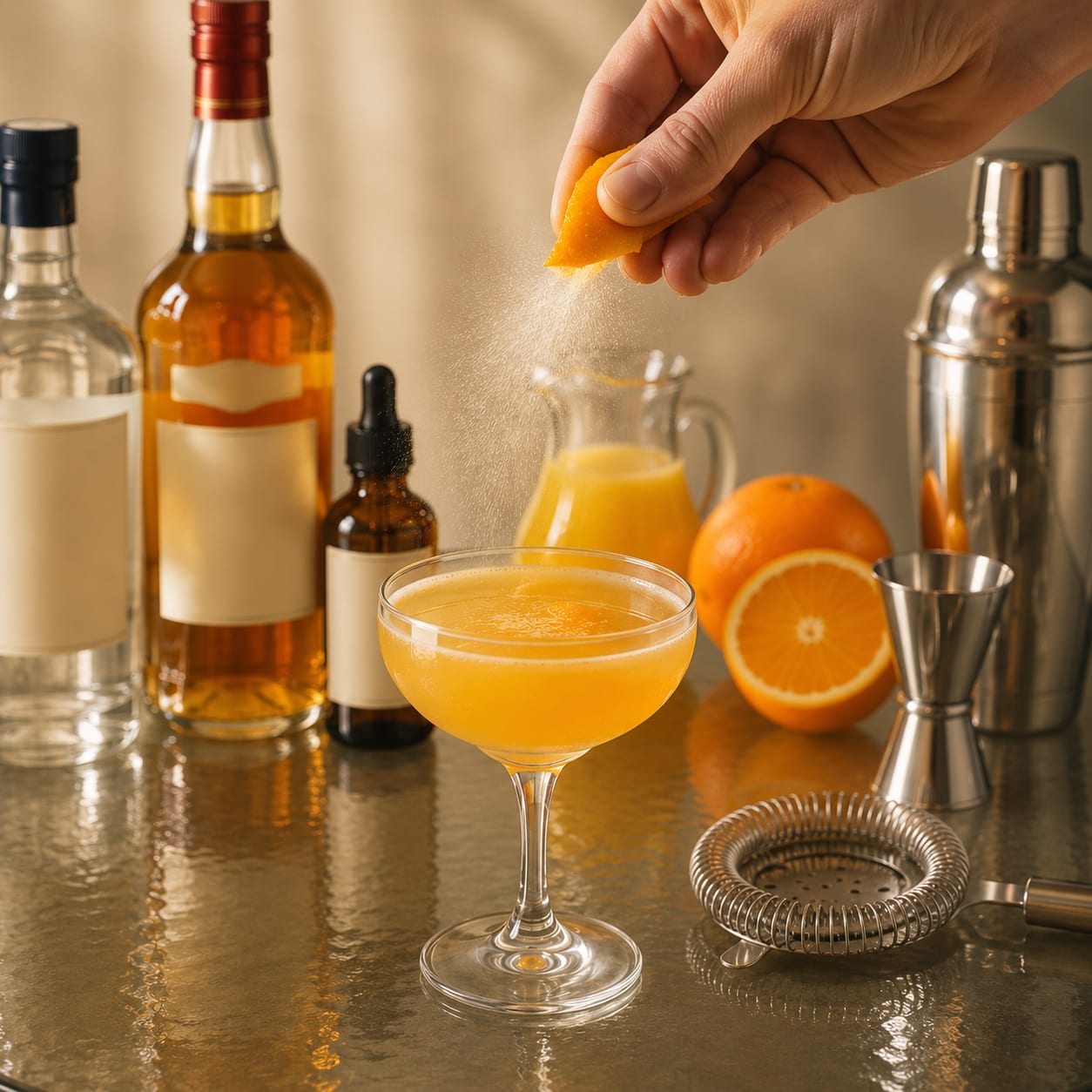
    Take your orange peel and hold it over the drink, colored side down. Squeeze the peel so a fine mist of orange oils sprays across the surface of the drink, then drop the peel in.

    Step 5 — how to make Paradise

    !Squeezing the peel into the drink before spraying the oils, which makes the garnish look messy.

Serve

Serve it right away while the glass is frosty and the drink is cold. It goes flat and warm quickly, so drink it within ten minutes.

Variations

Ingredient substitutions

Each row shows what you can swap in place of an original ingredient, and how the drink changes.

Swap options for Apricot Brandy

  • Apricot BrandyApricot Liqueur
    Match
    Specialty availability

    Apricot BrandyApricot Liqueur: Very similar, often slightly less sweet and more true to fresh apricot flavor.

  • Apricot BrandyPeach Liqueur
    Match
    Common availability

    Apricot BrandyPeach Liqueur: Swaps the stone fruit character from apricot to a sweeter, rounder peach note.

Swap options for Orange Juice

  • Orange JuiceTangerine Juice
    Match
    Specialty availability

    Orange JuiceTangerine Juice: Sweeter and more aromatic than standard orange juice, with a deeper fruit flavor.

Related

Similar cocktails

Cousin drinks that share DNA with this one — each profile stands on its own.

Ward Eight

Similar cocktail

Ward Eight

The Ward Eight uses bourbon instead of gin and adds grenadine and lemon for a tart, darker flavor.

Match

Both are fruity, shaken sours, but the Ward Eight hits with a tart, pomegranate bite while the Paradise stays mellow and apricot-soft.

In common: Juice-driven sour, Shaken and served up, Fruit-forward profile

Ingredients

Both share

Gin, Orange Juice

Only in Paradise

Apricot Brandy

Only in Ward Eight

Bourbon Whiskey, Lemon Juice, Grenadine

The Paradise relies on apricot brandy for its sweet fruit note, while the Ward Eight leans on grenadine and lemon juice for a sharper, more tart fruit profile.

Flavor

Shared flavors

Soft fruit sweetness, Citrus brightness, Short, chilled serving

How Ward Eight differs

Ward Eight is tarter and deeper, Paradise is softer and more floral

View recipe & details →
Clover Club

Similar cocktail

Clover Club

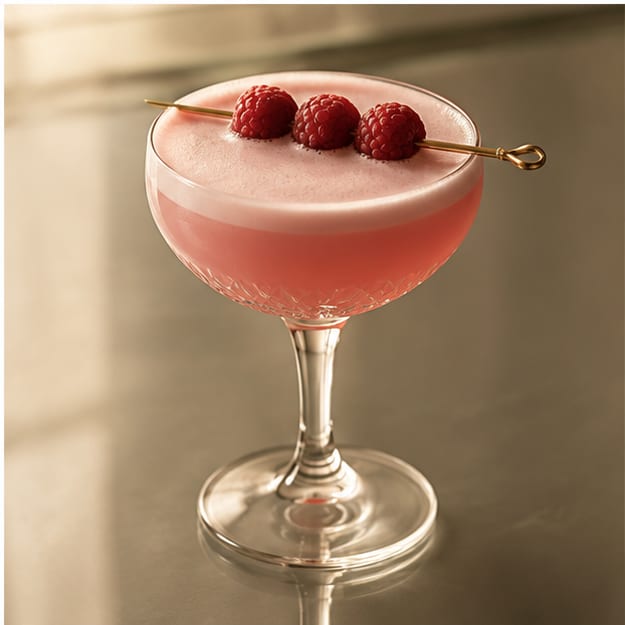
The Clover Club uses raspberry and lemon instead of apricot and orange, and includes an egg white for texture.

Match

The Clover Club is a tart, silky drink with a dry foam cap, while the Paradise is a sweeter, heavier sip that tastes more like fresh juice.

In common: Gin-based sour, Shaken and served up, Fruit-driven

Ingredients

Both share

Gin

Only in Paradise

Apricot Brandy, Orange Juice

Only in Clover Club

Raspberry Syrup, Lemon Juice, Egg White

The Paradise gets its fruit and sweetness from apricot brandy and orange juice, whereas the Clover Club uses raspberry syrup and lemon juice, plus egg white for a foamy body.

Flavor

Shared flavors

Gin botanicals, Fruit-forward character, Chilled, shaken delivery

How Clover Club differs

Clover Club is tart and fluffy, Paradise is sweeter and juicier

View recipe & details →

History

Origin

The Paradise first appeared in print in the 1920s, most notably in Harry Craddock's 1930 Savoy Cocktail Book. Its exact creator and birthplace are unknown, though it clearly belongs to the Prohibition-era wave of juice-forward gin cocktails.

Era
1920s
IBA
Contemporary Classics
Data version
IBA Contemporary Classics spec
Confidence

The IBA recipe specifies equal parts gin and orange juice, but many modern bartenders reduce the orange juice slightly so the apricot and gin can show through.

Practical

Tips & pitfalls

What works at home and what to skip when making this drink.

Tips

Worth knowing before you pour

  • Fresh orange juice makes a huge difference; skip the bottled carton.
  • Use a real apricot brandy or liqueur, not a cheap syrupy knockoff.
  • If the drink tastes too flat, add another dash of orange bitters to lift it.

Avoid

Common mistakes

  • Do not use bottled orange juice, it tastes dull and metallic.
  • Do not skip the orange twist, the oils cover up the alcohol smell.