cocktaildna

Paris, France

Sidecar

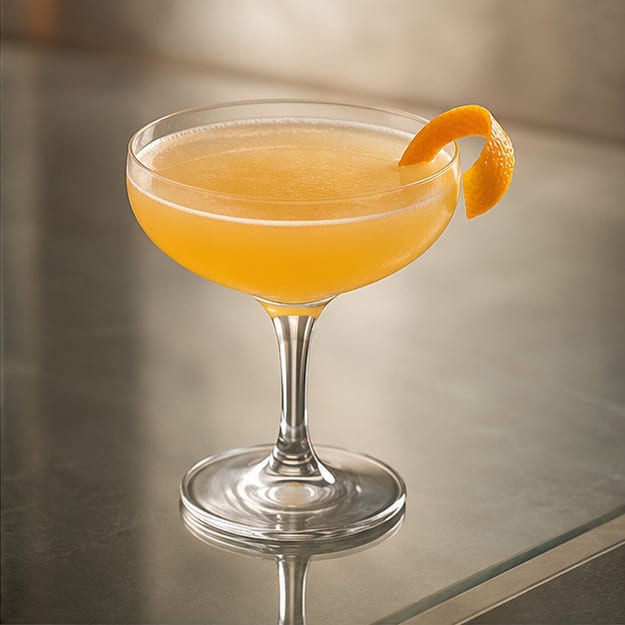
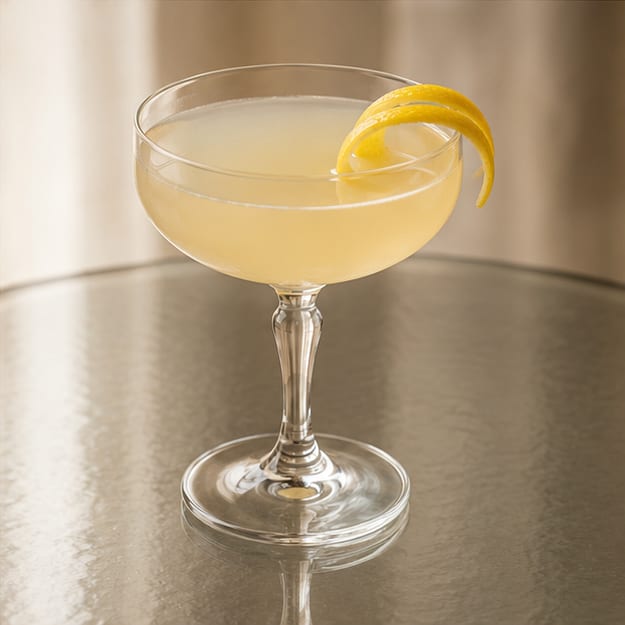
A brisk, citrus-forward brandy sour that hits you with bright lemon and sweet orange before the warmth of the cognac settles in.

brandy sourcitrusorangecognactartclassic cocktailshakenspirit-forwardaperitif

%

ABV

Difficulty

Sidecar

Overview

What this drink is like

The first sip is sharp and citrusy, with a sweet orange edge from the liqueur. As it sits on your tongue, the rich, fruity weight of the brandy comes through. It finishes warm and slightly dry, leaving a lingering orange-oil scent.

Who will like it

For people who like tart, spirit-forward drinks where the base liquor does the heavy lifting, like a Margarita or a Daiquiri.

When to drink

Drink this before dinner to wake up your palate, or as a brisk evening sipper when you want something short and sharp.

Ordering tip

Ask for it without a sugar rim if you prefer your drinks drier, or with a half-rim if you want just a touch of sweetness on your lips.

Ice: NoneTemp: ColdCost: $3–$6Glass: CoupeBatch-friendlyMake aheadHome bar friendly

Flavor

Taste profile

This is a sharp, citrus-driven drink where the sour lemon and sweet orange fight for attention before the warm brandy takes over. It has a lean, brisk texture that wakes up your mouth rather than coating it. The smell of orange oils and grape brandy hangs over the glass, giving it a bit more depth than a standard sour. It's a drink that goes down easy but leaves a warm glow.

Finish: The finish runs medium-long, with lingering warmth from the cognac and a dry, zesty orange peel note.

Primary tastes

soursweetfruity

Secondary

herbalearthy

Aroma

orange zestbrandy grapecitrus blossom
  • Bitternesslow bitterness

    A slight bitter edge comes from the orange liqueur, but it stays in the background.

  • Sweetnessmoderately sweet

    The Cointreau adds a noticeable sweetness that balances the sharp lemon but doesn't make it cloying.

  • Sournessfairly sour

    Fresh lemon juice drives the flavor, giving the drink a sharp, mouth-watering bite.

  • Strengthstrong

    Cognac makes up the bulk of the drink, so it hits with solid warmth and a noticeable alcohol presence.

  • Refreshingfairly refreshing

    The high acidity and cold serving temperature make it a brisk, palate-cleansing drink.

  • Creaminesslight body

    Shaking gives it a slightly rounded texture, but it stays crisp and lean rather than creamy.

  • Complexitymoderately complex

    The grape notes of the cognac weave through the orange and lemon, giving it more layers than a basic sour.

Recipe

Make it at home

Shaken · Coupe · equal parts on Cognac. VS or VSOP recommended; can substitute quality Brandy

Before you start

Put your coupe glass in the freezer for a few minutes to get it frosty. Cut a wide strip of orange peel for the garnish before your hands get sticky.

Ingredients

  • CognacBase SpiritVS or VSOP recommended50ml
  • CointreauLiqueurPremium triple sec or Cointreau works best20ml
  • Lemon JuiceJuiceFreshly squeezed20ml

Garnish: Orange twist

Tools

  • Cocktail Shaker · Shaking

    To chill and dilute the citrus and spirits

    At home: Mason jar with a tight lid

  • Hawthorne Strainer · Straining

    To catch the ice and any pulp when pouring

    At home: Slotted spoon

  • Jigger · Measuring

    To measure the spirits and juice accurately

    At home: Measuring spoons

  • Coupe Glass · Serving

    To serve the drink chilled and without ice

    At home: Any small stemmed glass

  • Fine Strainer · optional · Straining

    To catch tiny ice shards and citrus pulp

    At home: Tea strainer

  • Citrus Juicer · optional · Other

    To extract juice from the lemon

    At home: Squeeze by hand

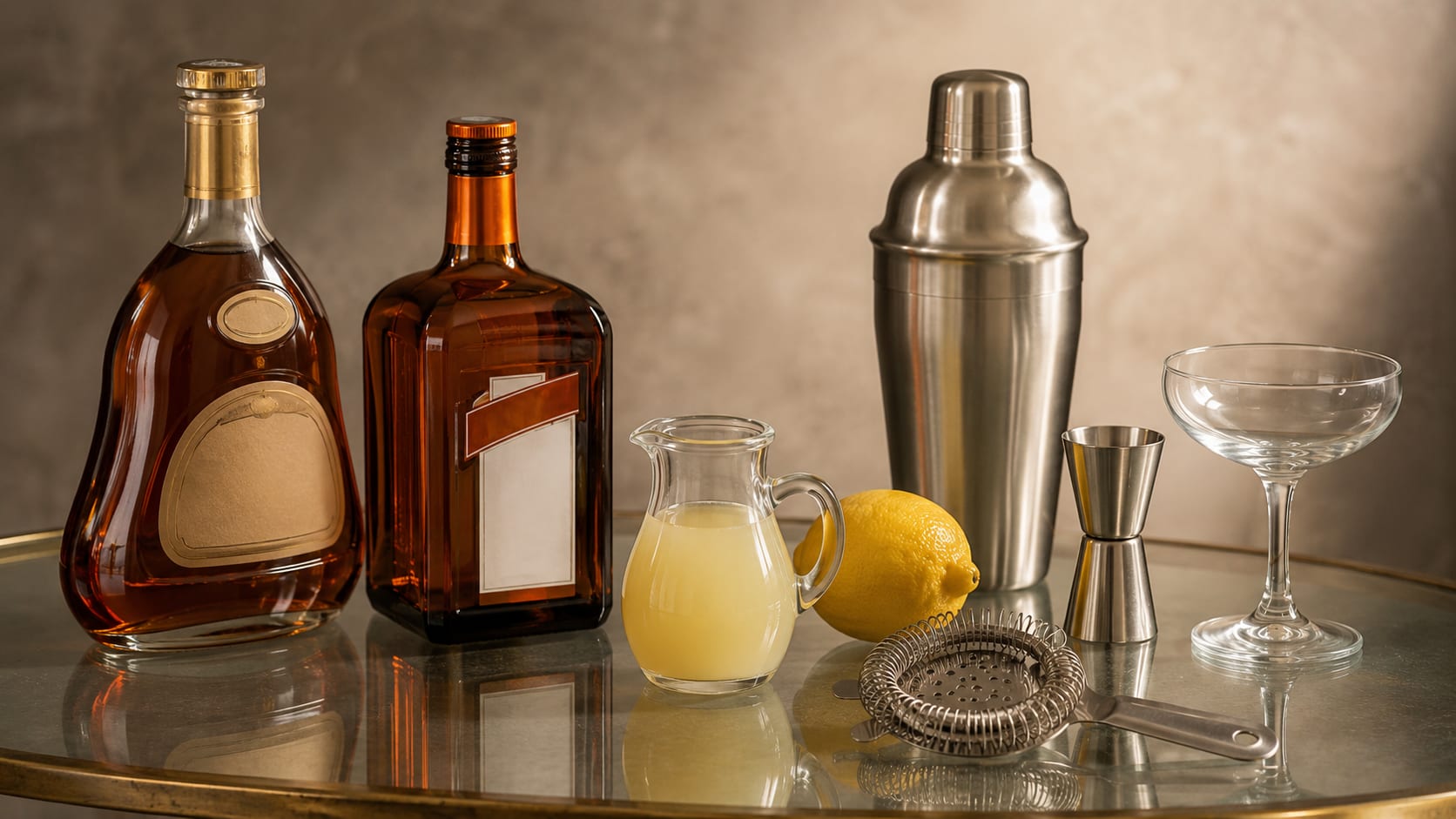
Ingredients and tools to make Sidecar
Ingredients and tools

Steps

  1. 1

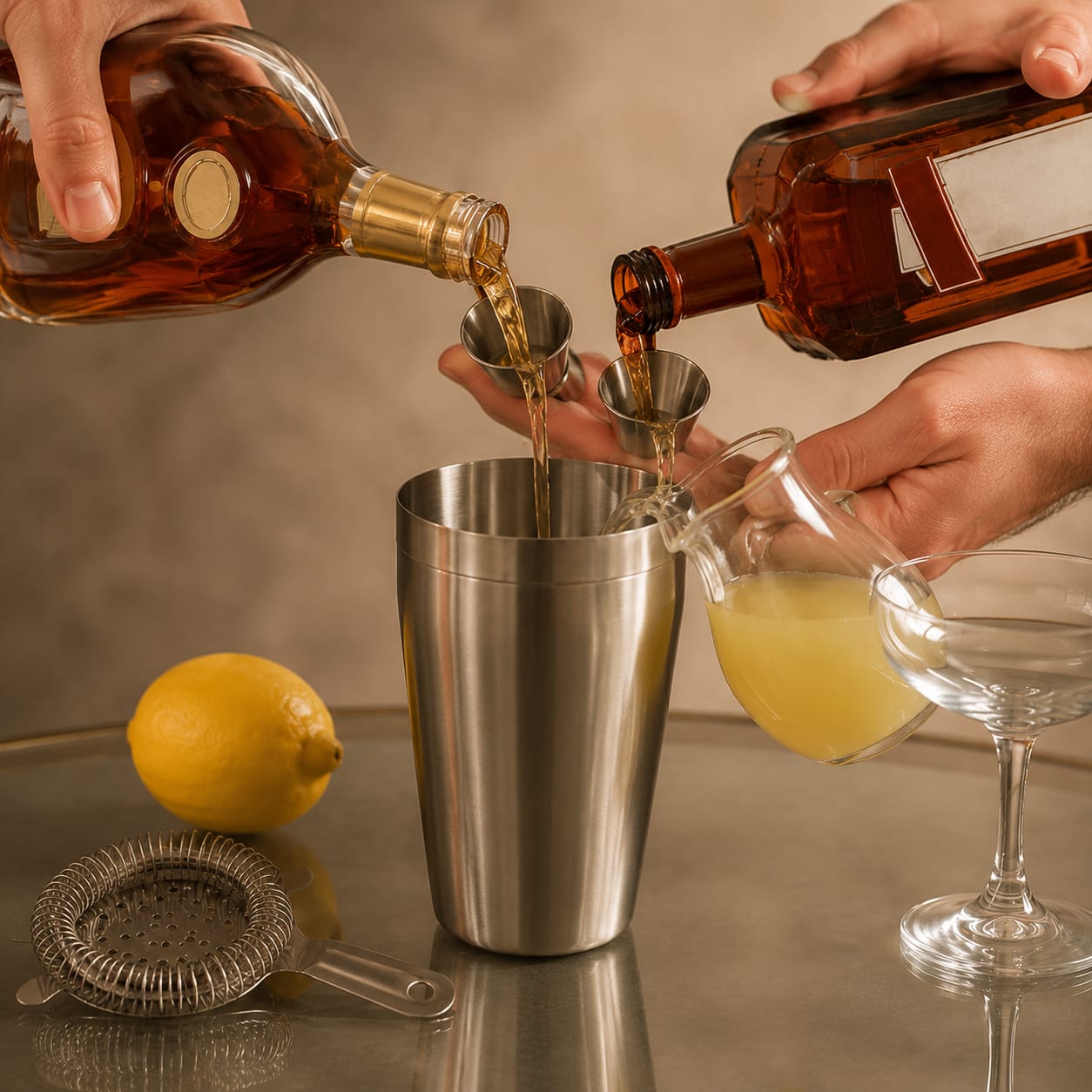
    Measure 50ml of cognac, 20ml of Cointreau, and 20ml of fresh lemon juice into your shaker. The lemon juice should be freshly squeezed, not from a bottle, or the drink will taste flat.

    Step 1 — how to make Sidecar

    !Using bottled lemon juice will make the drink taste metallic and lifeless.

  2. 2

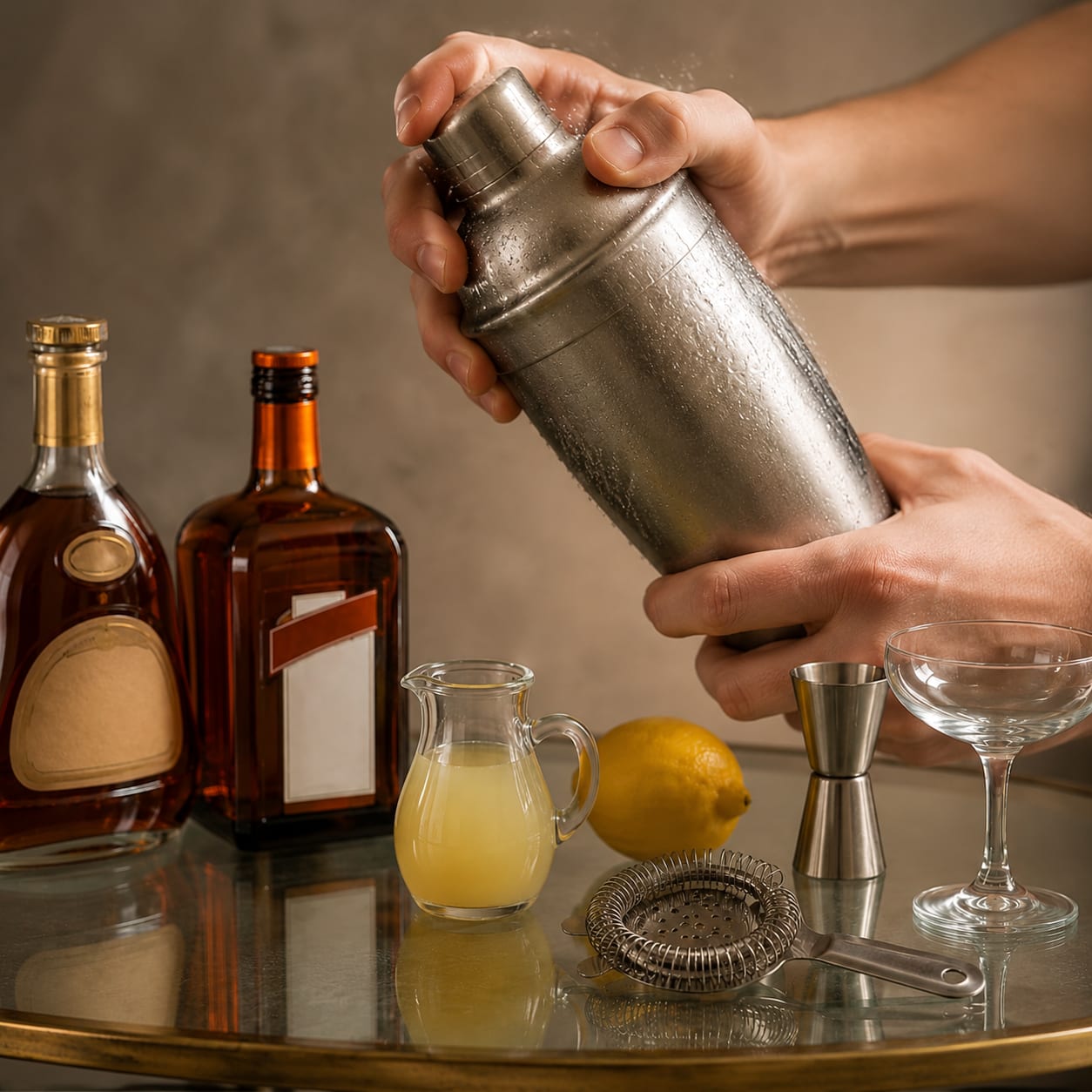
    Fill the shaker halfway with ice, seal it tight, and shake hard for about 10 seconds. You want the outside of the shaker to feel ice-cold and frosty when you're done.

    ~10s

    Step 2 — how to make Sidecar

    !Shaking too gently won't chill the drink enough or whip the citrus properly.

  3. 3

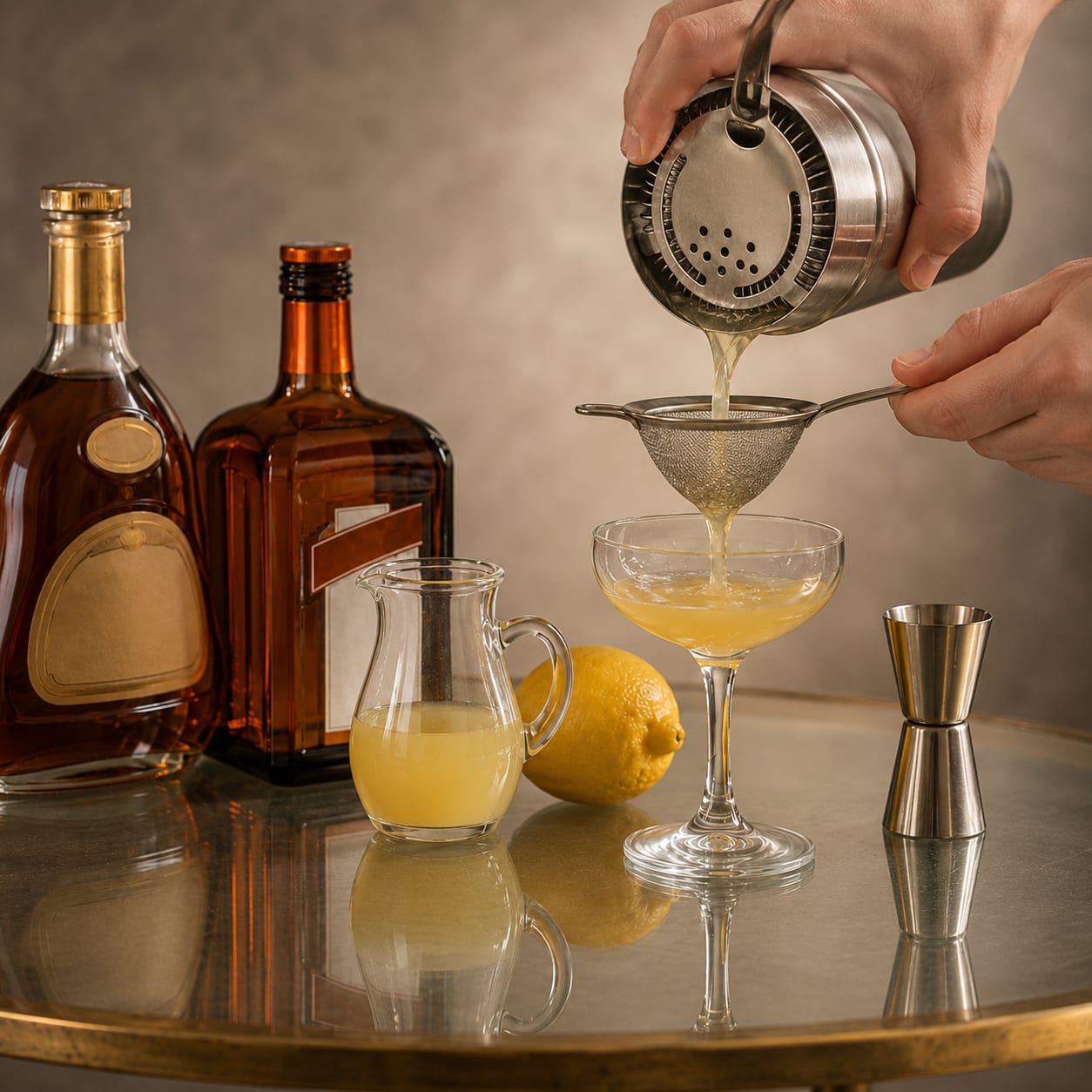
    Pop the shaker open and pour the drink through a Hawthorne strainer into your chilled coupe glass. If you hate little floating ice chips, hold a fine tea strainer over the glass as you pour.

    Step 3 — how to make Sidecar

    !Pouring too slowly lets the ice melt and waters down the drink.

  4. 4

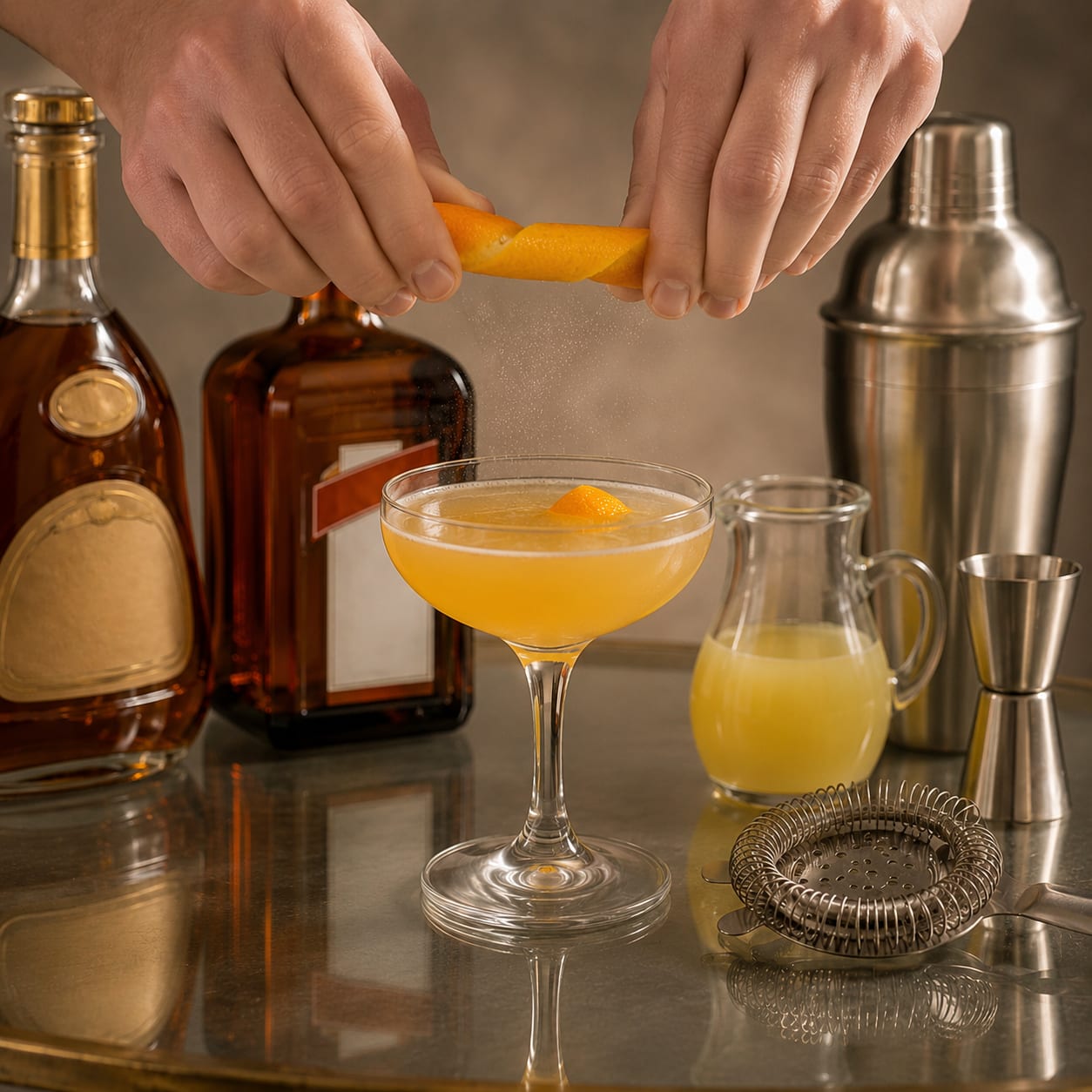
    Take your orange peel and give it a good twist over the surface of the drink so the oils spray out, then drop it in. You'll see a quick shimmer on the surface when the oils hit.

    Step 4 — how to make Sidecar

    !Squeezing the peel into the drink instead of twisting it won't release the aromatic oils.

Serve

Serve it right away in the chilled coupe while it's still frosty. The sugar rim is optional—rub the peel along half the rim if you want a sweet edge without sugaring the whole glass.

Variations

Ingredient substitutions

Each row shows what you can swap in place of an original ingredient, and how the drink changes.

Swap options for Cognac

  • CognacArmagnac
    Match
    Specialty availability

    CognacArmagnac: Adds a richer, more rustic and earthy apple-grape note.

  • CognacBourbon Whiskey
    Match
    Common availability

    CognacBourbon Whiskey: Shifts the flavor toward caramel and vanilla, making a slightly sweeter drink often called a Bourbon Sidecar.

Swap options for Cointreau

  • CointreauGrand Marnier
    Match
    Common availability

    CointreauGrand Marnier: Adds a heavier, cognac-based richness and a deeper orange flavor.

  • CointreauDry Curaçao
    Match
    Specialty availability

    CointreauDry Curaçao: Brings a more complex, slightly bitter orange profile.

Related

Similar cocktails

Cousin drinks that share DNA with this one — each profile stands on its own.

White Lady

Similar cocktail

White Lady

The White Lady uses gin instead of cognac.

Match

The White Lady is drier and more aromatic with juniper notes, while the Sidecar is rounder and warmer with grape and oak notes.

In common: Sour structure, Orange liqueur component, Shaken and served up

Ingredients

Both share

Cointreau, Lemon Juice

Only in Sidecar

Cognac

Only in White Lady

Gin

Replacing the rich, fruity cognac with dry, botanical gin completely changes the base character while keeping the sweet-sour framework identical.

Flavor

Shared flavors

Sharp lemon tartness, Sweet orange liqueur body, Crisp texture

How White Lady differs

Botanical and dry vs fruity and warm, Lighter mouthfeel vs rounder mouthfeel

View recipe & details →
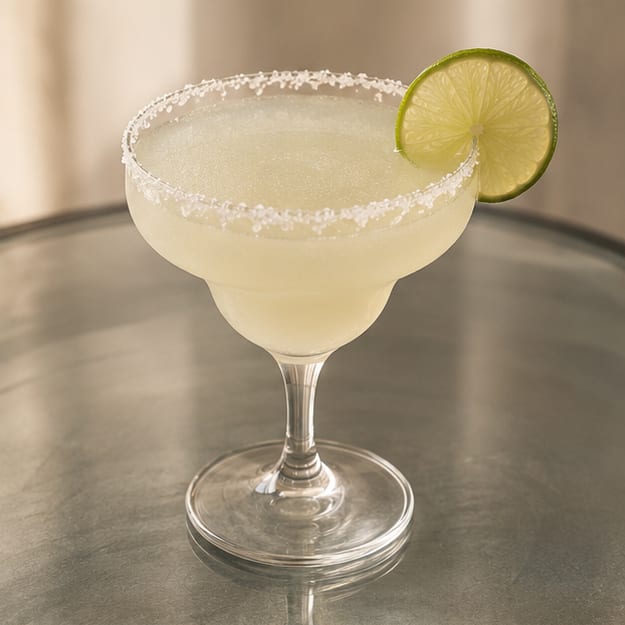
Margarita

Similar cocktail

Margarita

The Margarita uses tequila and lime juice instead of cognac and lemon juice.

Match

Both are bright, orange-accented sours, but the Sidecar is warmer and fruitier while the Margarita is greener and more vegetal.

In common: Sour structure, Orange liqueur component, Shaken and served up

Ingredients

Both share

Cointreau

Only in Sidecar

Cognac, Lemon Juice

Only in Margarita

Tequila, Lime Juice

Swapping cognac for tequila and lemon for lime shifts the drink from rich and grape-driven to earthy and agave-driven.

Flavor

Shared flavors

Sharp citrus bite, Sweet orange backbone, Crisp finish

How Margarita differs

Lighter agave notes vs rich grape notes, Greener acidity vs rounder acidity

View recipe & details →

Cosmopolitan

Similar cocktail

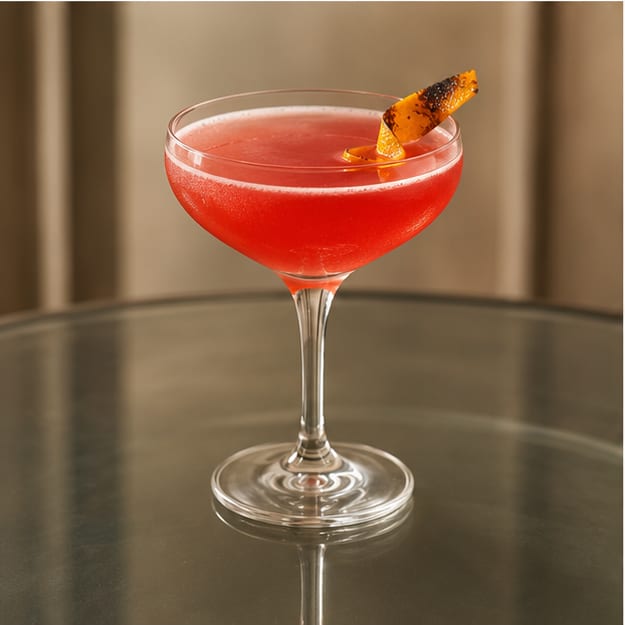
Cosmopolitan

The Cosmopolitan adds cranberry juice and uses citrus vodka instead of cognac.

Match

The Cosmopolitan is lighter, pinker, and more fruity, while the Sidecar is stronger, sharper, and more spirit-focused.

In common: Citrus sour, Orange liqueur, Shaken and served up

Ingredients

Both share

Cointreau

Only in Sidecar

Cognac, Lemon Juice

Only in Cosmopolitan

Citrus Vodka, Lime Juice, Cranberry Juice

The Cosmopolitan is lighter and fruitier with cranberry, while the Sidecar is heavier and spirit-driven.

Flavor

Shared flavors

Sweet orange notes, Tart citrus bite

How Cosmopolitan differs

Tart cranberry fruitiness vs rich grape warmth, Neutral spirit base vs assertive brandy base

View recipe & details →

History

Origin

The origin is disputed, with both Harry's New York Bar in Paris and the Buck's Club in London claiming its creation in the 1920s. It is named after the motorcycle sidecar, supposedly the preferred transport of the patron who first ordered it.

Era
1920s
IBA
The Unforgettables
Data version
IBA 2020 spec
Confidence

The exact ratio of the original Sidecar is heavily debated, ranging from 2:1:1 to 8:2:2; the IBA standard is 5:2:2.

Practical

Tips & pitfalls

What works at home and what to skip when making this drink.

Tips

Worth knowing before you pour

  • Use a VSOP cognac for a richer flavor without spending too much.
  • Skip the sugar rim unless you have a serious sweet tooth.
  • Shake hard to get a good chill and a slight froth on top.

Avoid

Common mistakes

  • Don't use cheap triple sec; it makes the drink taste like candy.
  • Don't skip the orange twist; the oils make a huge difference.
  • Don't over-shake or the ice will water down the cognac too much.