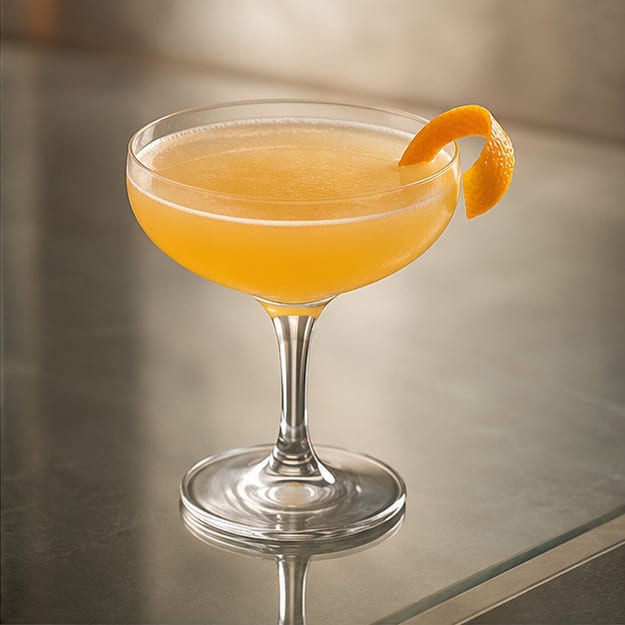
cocktaildna

London, United Kingdom · 1930

Corpse Reviver No. 2

Also known as Corpse Reviver #2, Corpse Reviver 2

A bracing, citrus-forward gin cocktail that wakes you up with a sharp, bitter-sweet snap.

citrusanisebotanicalbittersouraperitifbracingherbalequal-parts

%

ABV

Difficulty

Corpse Reviver No. 2

Overview

What this drink is like

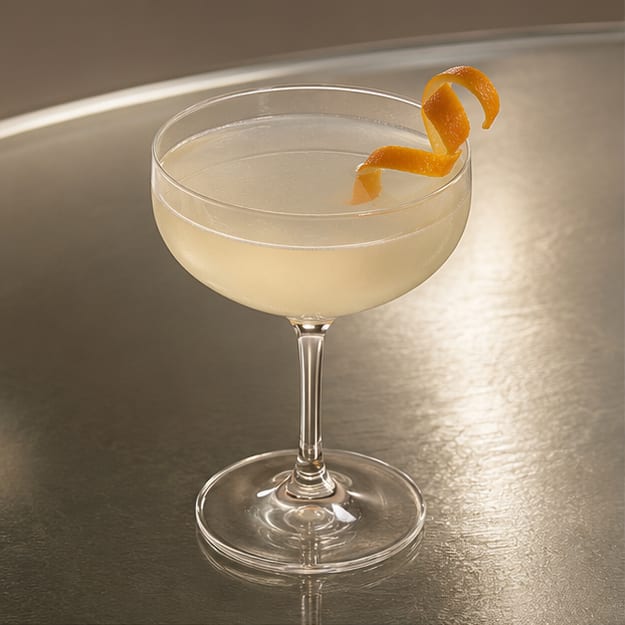
The first sip hits you with bright lemon and orange, followed quickly by a dry, botanical bite from the gin and absinthe. The middle is a balancing act between the sweet orange liqueur and the tart citrus. It finishes dry and slightly bitter, with the absinthe lingering at the back of your throat.

Who will like it

This is for people who like sharp, spirit-forward drinks with a bitter edge and strong citrus, like a dry Margarita or a Negroni.

When to drink

Drink this before a big meal as an aperitif, or the morning after a long night when you need a jumpstart.

Ordering tip

Ask the bartender to go easy on the absinthe rinse if you don't like black licorice, or ask for it up if you want it as cold as possible.

Ice: NoneTemp: ColdCost: $12–$18Glass: CoupeBatch-friendly

Flavor

Taste profile

This drink hits fast with a sharp, sour lemon bite that wakes up your palate. Right behind it, the gin's botanicals and the sweet orange liqueur push through, trying to balance the acid. The absinthe sits in the background, adding a dry, herbal anise note that creeps in on the finish. It is a thin, crisp drink that feels light going down but carries a heavy alcoholic punch. The flavors change quickly from sour to sweet to bitter as you swallow.

Finish: The finish is dry and lingering, with black licorice and herbal bitterness coating the tongue long after the sip is gone.

Primary tastes

bittersourherbal

Secondary

sweetfloral

Aroma

orange oilanisebotanical
  • Bitternessmoderately bitter

    The absinthe rinse and Lillet Blanc give a noticeable bitter edge without making the drink harsh.

  • Sweetnessoff-dry

    The Cointreau and Lillet add sweetness, but the sharp lemon and absinthe keep it from tasting sugary.

  • Sournesshigh acidity

    A full 22ml of fresh lemon juice makes this drink sharply tart and mouth-watering.

  • Strengthstrong

    Four different alcoholic components at equal parts make this a surprisingly potent drink for its size.

  • Refreshingvery refreshing

    The high acidity, cold serving temperature, and citrus flavors make it sharp and waking.

  • Complexityhighly complex

    The mix of gin botanicals, orange liqueur, aromatized wine, and anise creates many layers of flavor.

Recipe

Make it at home

Shaken · Coupe · equal parts on Gin. London Dry recommended for a crisp, botanical backbone

Before you start

Put your coupe glass in the freezer for a few minutes to chill it. Squeeze your lemon and strain out any seeds or pulp before you start measuring.

Ingredients

  • GinBase Spirit22ml
  • CointreauLiqueurTriple sec or dry orange liqueur22ml
  • Lillet BlancVermouthAromatized wine; Kina L'Aero d'Or is a closer historical match if available22ml
  • Lemon JuiceJuiceFreshly squeezed22ml
  • AbsintheLiqueurUsed as a rinse; pastis or Herbsaint work too1 barspoon
  • Orange TwistGarnish1 twist

Garnish: Orange twist

Tools

  • Cocktail Shaker · Shaking

    To chill and mix the ingredients with ice quickly

    At home: A large mason jar with a tight lid

  • Jigger · Measuring

    To measure the equal parts of each liquid accurately

    At home: A measuring spoon or small liquid measuring cup

  • Hawthorne Strainer · Straining

    To hold back the ice when pouring the drink into the glass

    At home: A fine mesh kitchen sieve

  • Coupe Glass · Serving

    To serve the drink chilled without ice

    At home: Any small wine glass or shallow stemmed glass

  • Citrus Juicer · Muddling

    To extract fresh lemon juice

    At home: Squeeze by hand over a fine strainer to catch seeds

  • Bar Spoon · Mixing

    To swirl the absinthe around the inside of the glass

    At home: A small teaspoon or regular spoon

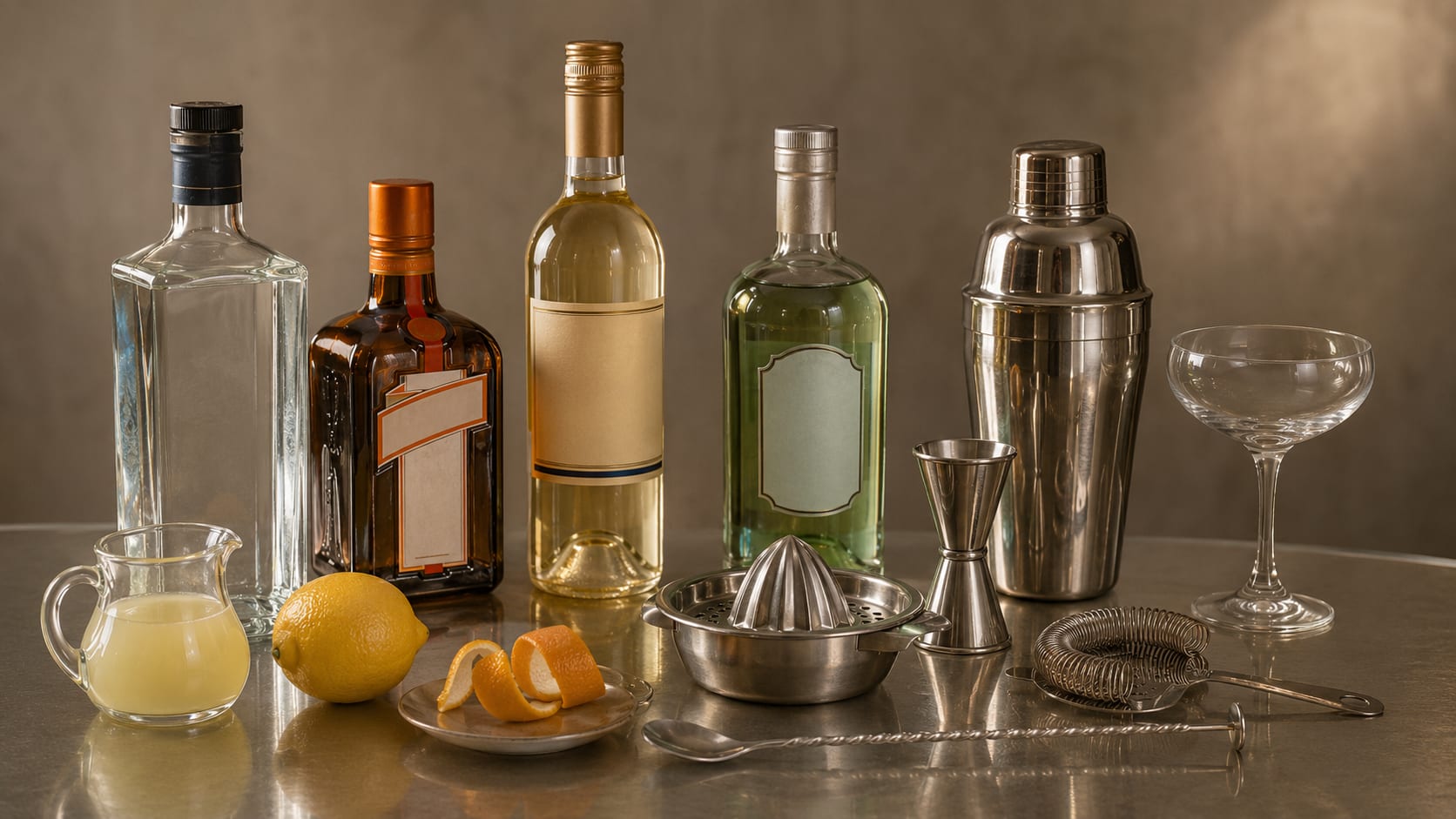
Ingredients and tools to make Corpse Reviver No. 2
Ingredients and tools

Steps

  1. 1

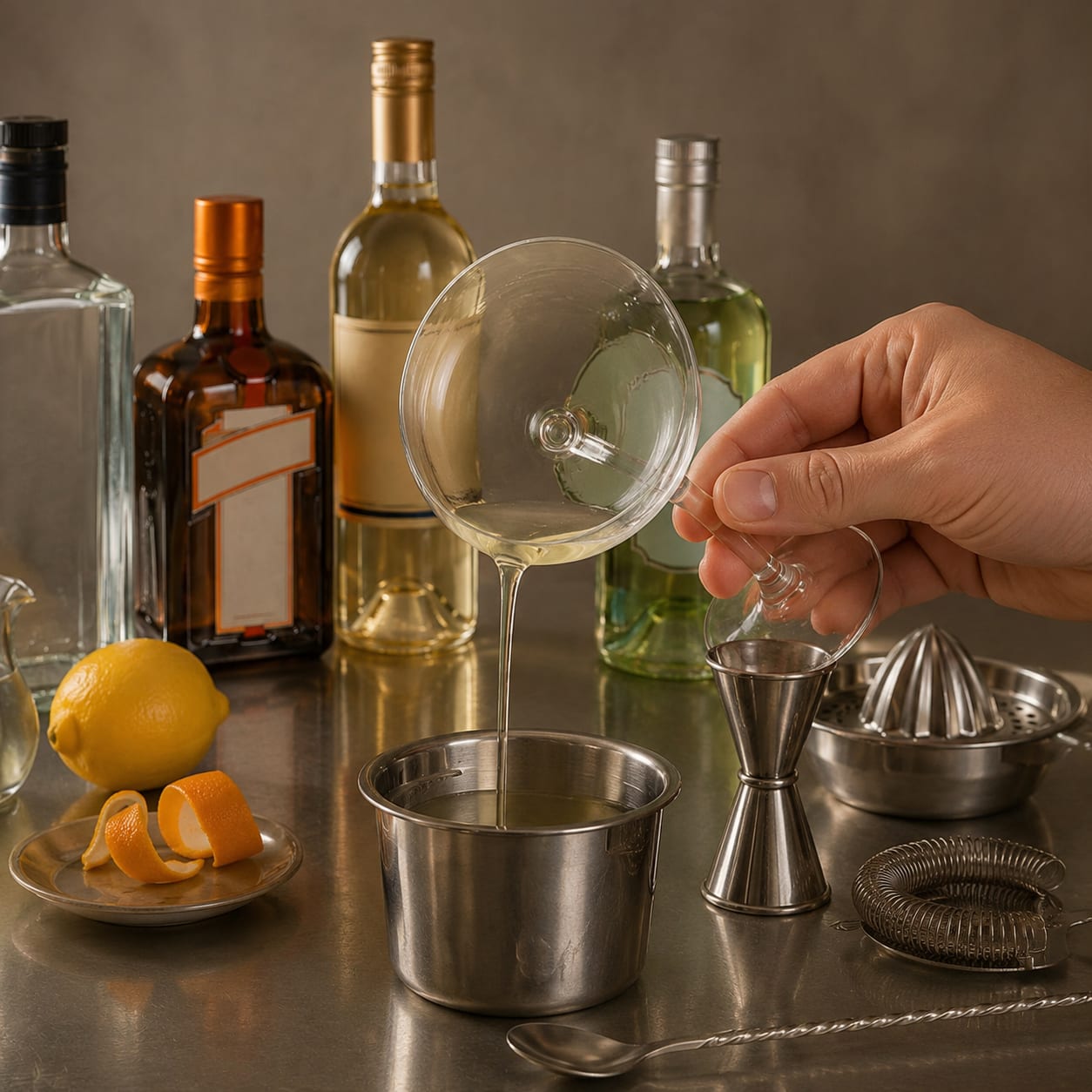
    Take your chilled coupe glass and pour in one barspoon of absinthe. Pick up the glass and tilt it, spinning it slowly so the absinthe coats the entire inside of the glass from the bowl up to the rim. Pour out the excess liquid so just a thin film stays behind.

    Step 1 — how to make Corpse Reviver No. 2

    !Leaving too much absinthe in the glass will overpower the drink and make it taste like straight black licorice.

  2. 2

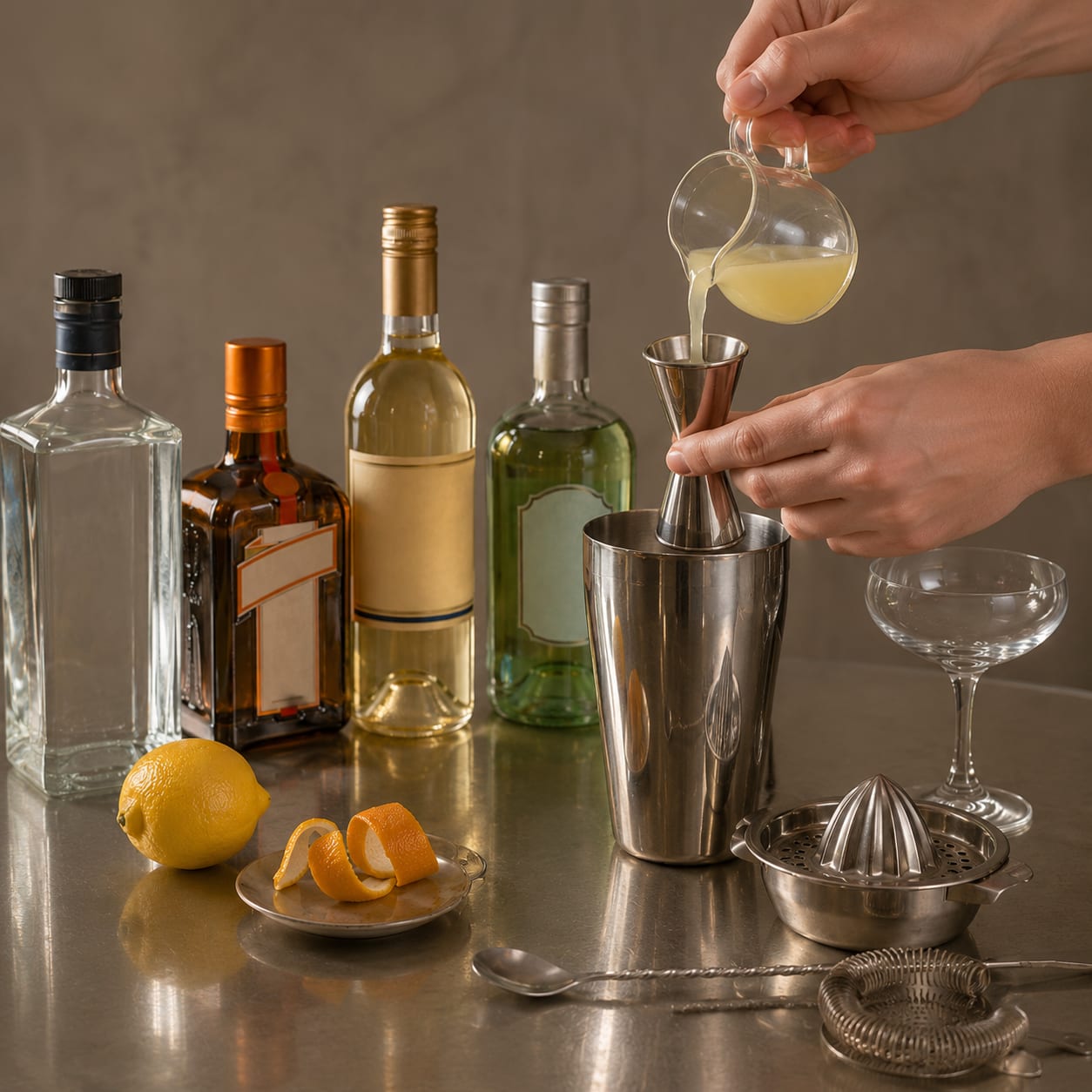
    Take your cocktail shaker and add 22ml of gin, 22ml of Cointreau, 22ml of Lillet Blanc, and 22ml of fresh lemon juice. Use your jigger for each pour so the amounts stay equal.

    Step 2 — how to make Corpse Reviver No. 2

    !Eyeballing the equal parts usually leads to a drink that leans too sour or too sweet.

  3. 3

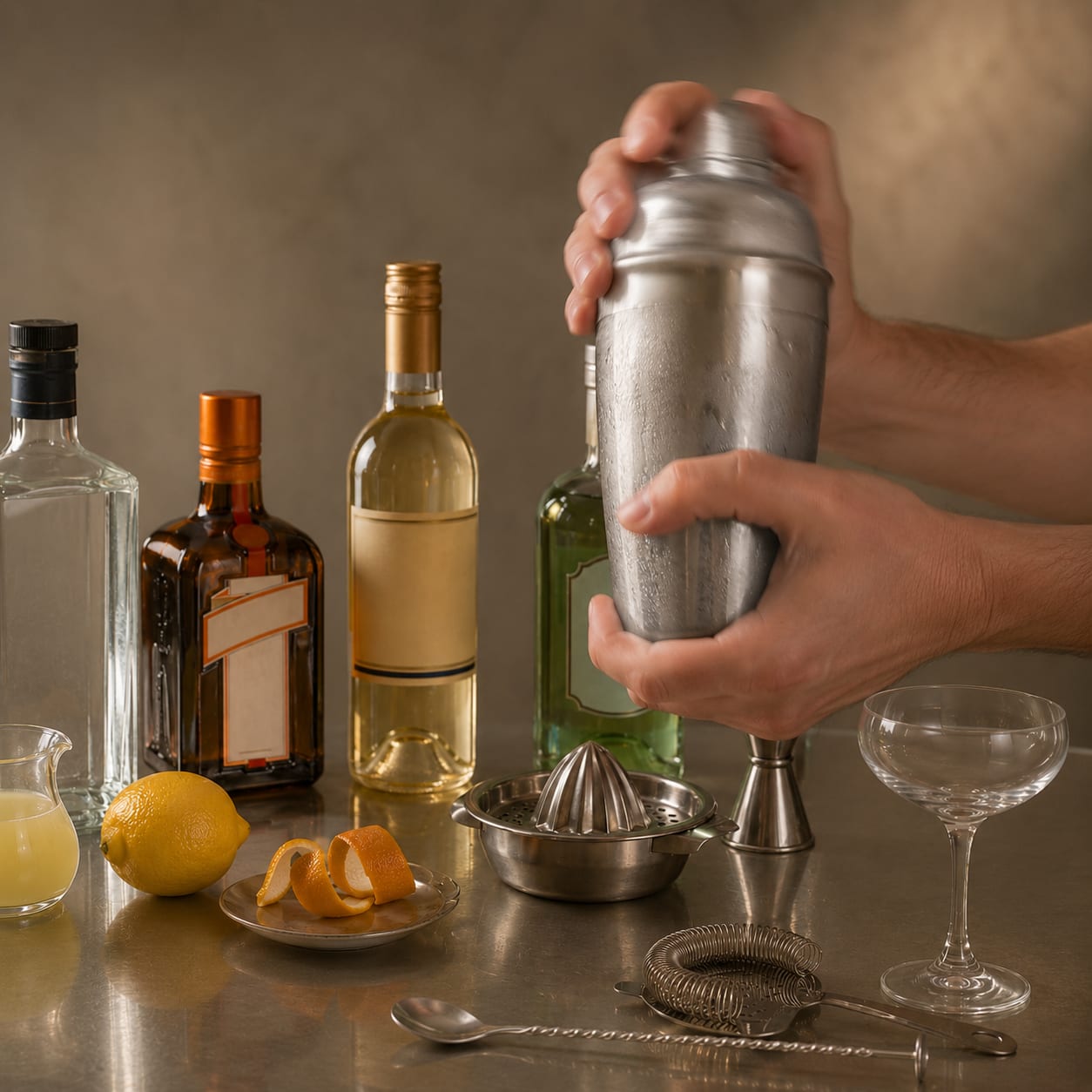
    Fill the shaker about three-quarters full with ice, making sure the ice sits above the liquid. Put the top on the shaker and shake hard for about 10 seconds until the outside of the shaker feels very cold and frosty.

    ~10s

    Step 3 — how to make Corpse Reviver No. 2

    !Shaking too gently or for too short a time leaves the drink warm and not properly diluted.

  4. 4

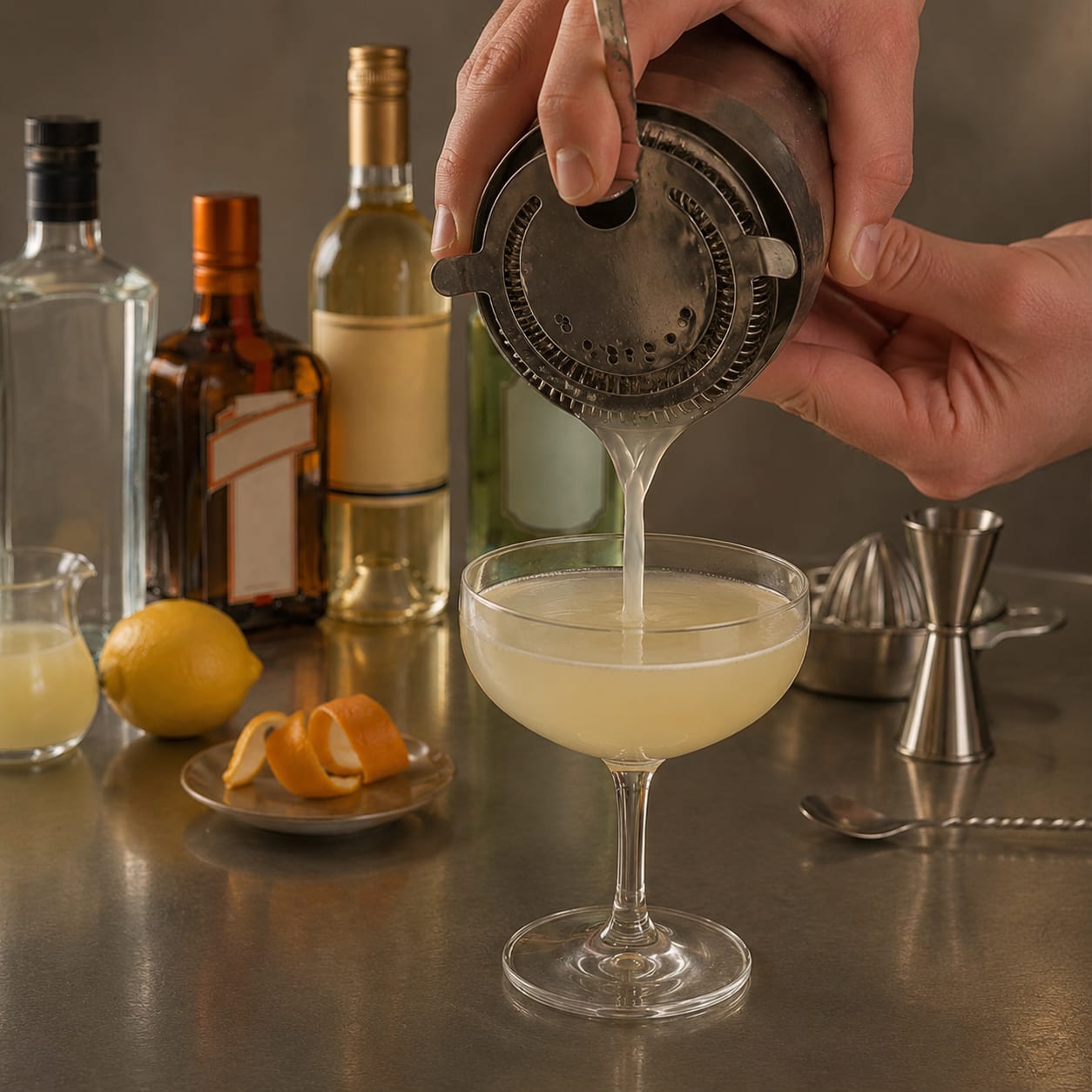
    Take the top off the shaker and fit your Hawthorne strainer over the opening. Pour the drink through the strainer into your absinthe-rinsed coupe glass, filling it almost to the top.

    Step 4 — how to make Corpse Reviver No. 2

    !Pouring too fast can splash the drink over the rim of the glass.

  5. 5

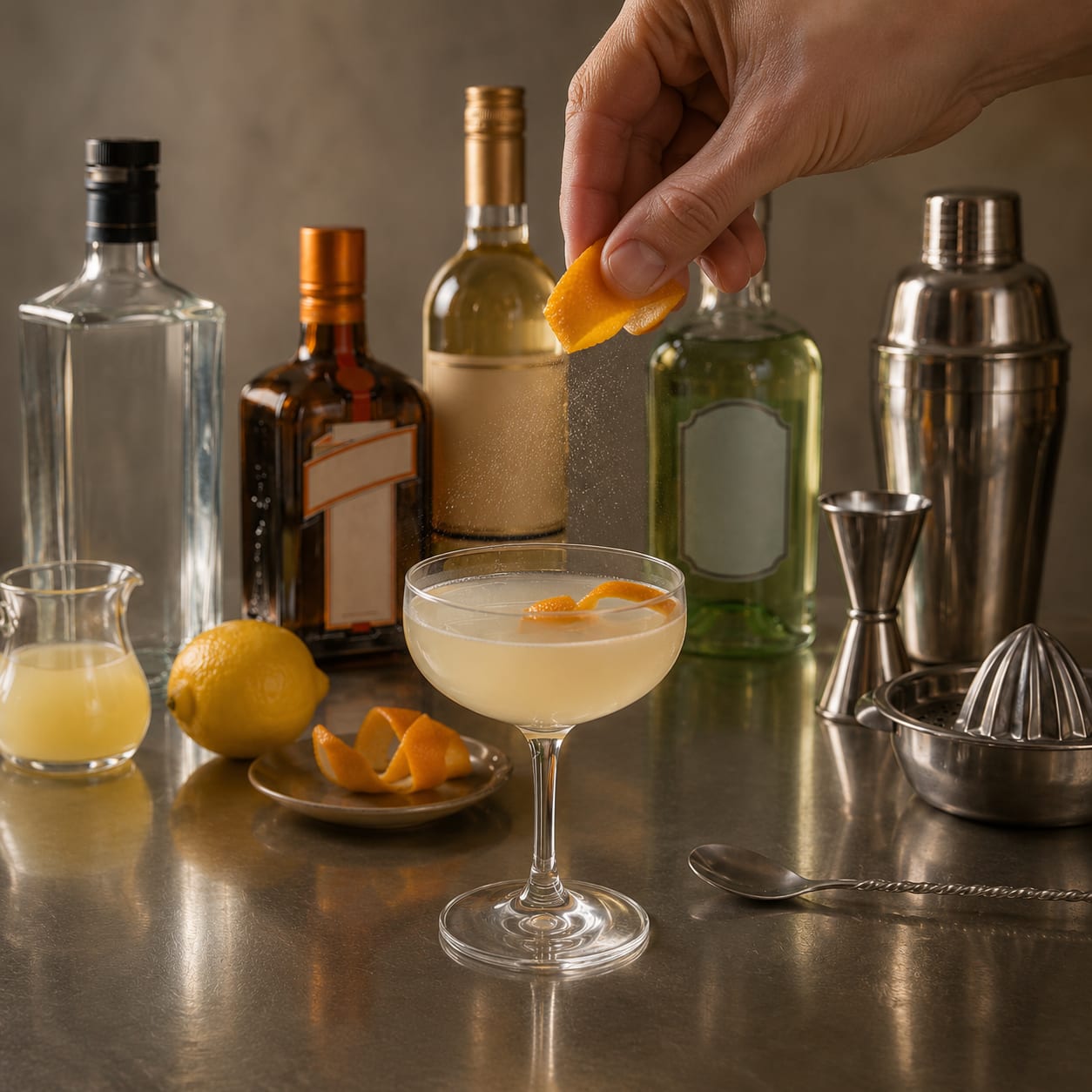
    Hold an orange peel over the drink, colored side down, and give it a quick twist so the orange oils spray across the surface of the cocktail. Drop the peel into the glass and serve it right away while it is still very cold.

    Step 5 — how to make Corpse Reviver No. 2

    !Squeezing the peel too hard pushes bitter white pith oil into the drink instead of the fragrant orange oil.

Serve

Serve it right away in the chilled coupe without any ice. The drink is best when it is very cold from the first sip to the last.

Variations

Ingredient substitutions

Each row shows what you can swap in place of an original ingredient, and how the drink changes.

Swap options for Lillet Blanc

  • Lillet BlancKina L'Aero d'Or
    Match
    Specialty availability

    Lillet BlancKina L'Aero d'Or: Adds more quinine bitterness and a drier finish, closer to the original Kina Lillet called for in the 1930s.

  • Lillet BlancDry Vermouth
    Match
    Common availability

    Lillet BlancDry Vermouth: Makes the drink drier and less floral, stripping away some of the soft fruit notes.

Swap options for Absinthe

  • AbsinthePastis
    Match
    Common availability

    AbsinthePastis: Delivers a similar anise flavor but with a slightly sweeter, rounder profile.

  • AbsintheHerbsaint
    Match
    Specialty availability

    AbsintheHerbsaint: Lighter anise flavor with less herbal complexity than absinthe.

Swap options for Cointreau

  • CointreauTriple Sec
    Match
    Common availability

    CointreauTriple Sec: Often sweeter and less intense in orange flavor, which can throw off the balance.

  • CointreauGrand Marnier
    Match
    Common availability

    CointreauGrand Marnier: Adds a heavier, cognac-based richness that makes the drink slightly heavier and less sharp.

Related

Similar cocktails

Cousin drinks that share DNA with this one — each profile stands on its own.

Sidecar

Similar cocktail

Sidecar

The Sidecar uses brandy instead of gin and skips the absinthe rinse and aromatized wine.

Match

The Sidecar feels rounder and richer on the palate with deep grape notes, while the Corpse Reviver No. 2 is lighter, sharper, and ends with a dry, herbal bitterness.

In common: equal parts formula, shaken citrus cocktail, served up in a coupe

Ingredients

Both share

Cointreau, Lemon Juice

Only in Corpse Reviver No. 2

Gin, Lillet Blanc, Absinthe

Only in Sidecar

Cognac

Swapping brandy for gin and Lillet removes the botanical and anise notes, making the Sidecar richer and fruitier without the herbal bite.

Flavor

Shared flavors

sharp citrus acidity, sweet orange liqueur backbone, crisp cold texture

How Sidecar differs

heavier and rounder, fruitier, no anise finish

View recipe & details →
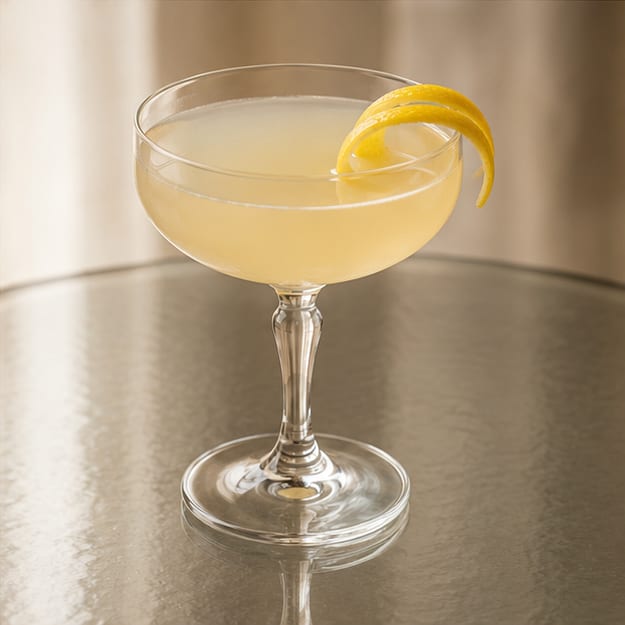
White Lady

Similar cocktail

White Lady

The White Lady uses an egg white for texture and skips the Lillet and absinthe entirely.

Match

The White Lady is softer and creamier in the mouth, while the Corpse Reviver No. 2 is thin, sharp, and ends with a dry, bitter snap.

In common: gin-based sour, shaken and served up, citrus-forward

Ingredients

Both share

Gin, Cointreau, Lemon Juice

Only in Corpse Reviver No. 2

Lillet Blanc, Absinthe

Only in White Lady

Egg White

The egg white adds a silky foam and body to the White Lady, replacing the dry, bitter complexity that Lillet and absinthe bring to the Corpse Reviver.

Flavor

Shared flavors

bright lemon and gin bite, orange sweetness, sharp cold serving temperature

How White Lady differs

softer mouthfeel, creamier texture, no bitter finish

View recipe & details →

Negroni

Similar cocktail

Negroni

The Negroni uses Campari and sweet vermouth instead of citrus and orange liqueur, making it a stirred bitter-sweet drink rather than a shaken sour.

Match

The Negroni is heavier and more bitter with no sourness, while the Corpse Reviver No. 2 is sharper, brighter, and much more acidic.

In common: equal parts formula, bitter-sweet profile, served up

Ingredients

Both share

Gin

Only in Corpse Reviver No. 2

Cointreau, Lillet Blanc, Lemon Juice, Absinthe

Only in Negroni

Campari, Sweet Vermouth

The Negroni trades the bright citrus and Lillet for bitter Campari and sweet vermouth, shifting the drink from a sour to a spirit-forward aperitivo.

Flavor

Shared flavors

bitter-sweet balance, botanical gin base, dry finish

How Negroni differs

heavier body, no sourness, darker flavor profile

View recipe & details →

History

Origin

Harry Craddock published this recipe in his 1930 Savoy Cocktail Book as one of six Corpse Revivers, drinks originally intended as hangover cures. Craddock himself warned that four of these in quick succession will revive the corpse back to the dead.

Creator
Harry Craddock
Era
1930s
IBA
The Unforgettables
Data version
IBA official spec
Confidence

The original 1930 recipe calls for Kina Lillet, which is no longer produced; Lillet Blanc is the modern standard substitute.

Practical

Tips & pitfalls

What works at home and what to skip when making this drink.

Tips

Worth knowing before you pour

  • Use a really dry London Dry gin so the botanicals cut through the sweetness.
  • Coat the glass with absinthe and dump the excess to avoid overpowering the drink.
  • Fresh lemon juice is non-negotiable; bottled juice will make this taste flat.
  • Chill the coupe glass in the freezer for at least ten minutes before making the drink.

Avoid

Common mistakes

  • Do not skip the absinthe rinse, as it provides the drink's signature dry finish.
  • Do not shake this drink with crushed ice, which waters it down too fast.
  • Do not use cheap triple sec, which makes the drink cloyingly sweet.