
cocktaildna

United States

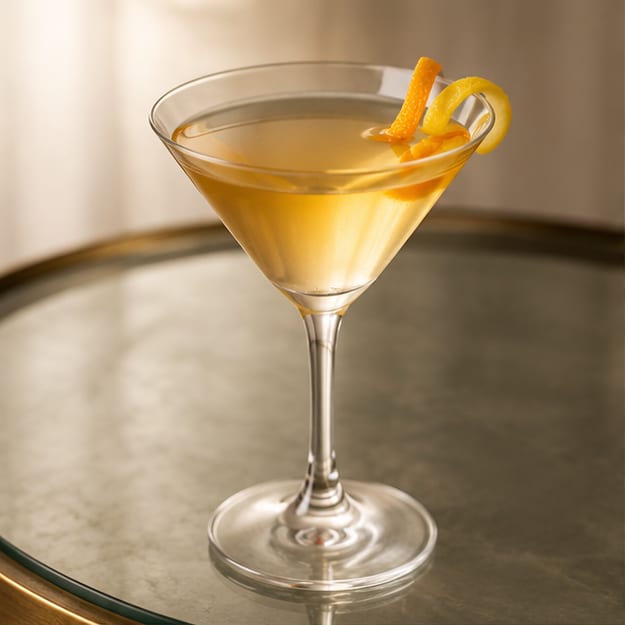
Sweet Martini

Also known as Martini (Sweet), Sweet Gin Martini

A sweeter, softer take on the Martini that leans on sweet vermouth instead of dry, making it richer and more approachable.

sweetherbalginvermouthspirit-forwardstirredaperitifbotanicalclassic

%

ABV

Difficulty

Sweet Martini

Overview

What this drink is like

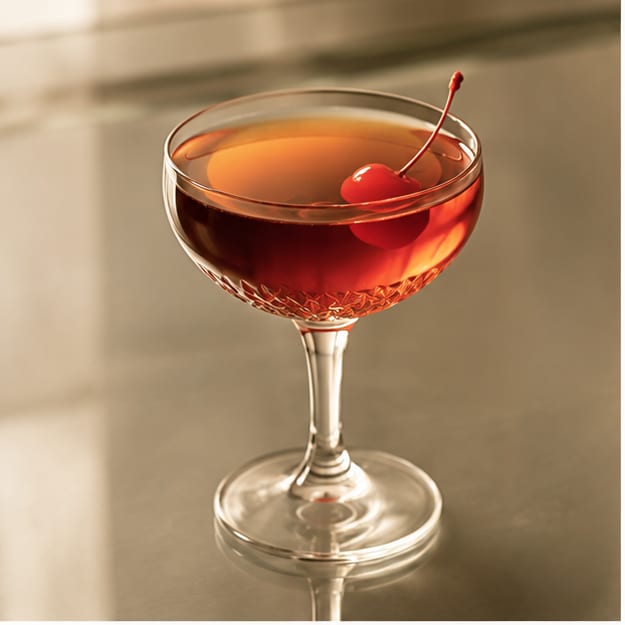
The first sip is smooth and gently sweet, with the botanicals of the gin weaving through the dark, fruity notes of the vermouth. The middle brings out a soft, wine-like richness that coats the tongue. It finishes with a lingering herbal warmth and just enough bite from the gin to keep it from feeling too heavy.

Who will like it

For people who like spirit-forward drinks but find a dry Martini too sharp or austere, and enjoy a bit of herbal sweetness.

When to drink

This makes a great aperitif before a big dinner, or a mellow nightcap when you want something slow-sipping but not heavy.

Ordering tip

If you ask for a Martini without specifying dry or sweet at most bars today, you will get a dry one—specify 'Sweet Martini' or 'Sweet vermouth only' to get this version.

Ice: NoneTemp: ColdCost: $2–$4Glass: MartiniBatch-friendlyHome bar friendly

Flavor

Taste profile

This drink is sweet and herbal upfront, with a rich, wine-like body from the sweet vermouth that coats your tongue. The gin cuts through that richness with pine and juniper notes, keeping the drink from feeling syrupy. It is definitely a sipping drink—strong and warming, with no real acidity or crispness to it. The orange oils on top give it a bright little kick right as you raise the glass to your nose.

Finish: The finish runs medium-long, with the sweet herbal notes fading out slowly and a gentle warmth from the gin lingering behind.

Primary tastes

sweetherbalearthy

Secondary

bitterfloral

Aroma

dark fruitbotanicalcitrus oilspiced wine
  • Bitternessmildly bitter

    A slight bitter edge from the vermouth and bitters balances the sweetness but stays in the background.

  • Sweetnessfairly sweet

    The equal part sweet vermouth makes this noticeably sweeter than most stirred cocktails.

  • Strengthstrong

    Even with equal parts vermouth, the full 60ml pour of gin keeps this a stiff, spirit-driven drink.

  • Refreshinglow refreshment

    This is a slow-sipping, warming drink rather than a crisp, thirst-quenching one.

  • Creaminesslight body

    The vermouth gives the drink a soft, rounded mouthfeel but it stays clean and dry on the palate.

  • Complexitymoderately complex

    The interplay between the gin's botanicals and the vermouth's spiced fruit creates a layered flavor that unfolds slowly.

Recipe

Make it at home

Stirred · Martini · equal parts on Gin. London Dry recommended for a classic botanical bite

Before you start

Put your Martini glass in the freezer for at least 10 minutes before you start. Make sure your sweet vermouth is fresh—open bottles go off after a month or two in the fridge.

Ingredients

  • GinBase SpiritLondon Dry recommended for a classic botanical bite60ml
  • Sweet VermouthVermouthUse a good quality sweet vermouth like Carpano Antica or Cocchi di Torino60ml
  • Orange BittersBittersAdds a bright citrus top note that ties the gin and vermouth together2 dashes

Garnish: Orange twist, Lemon twist

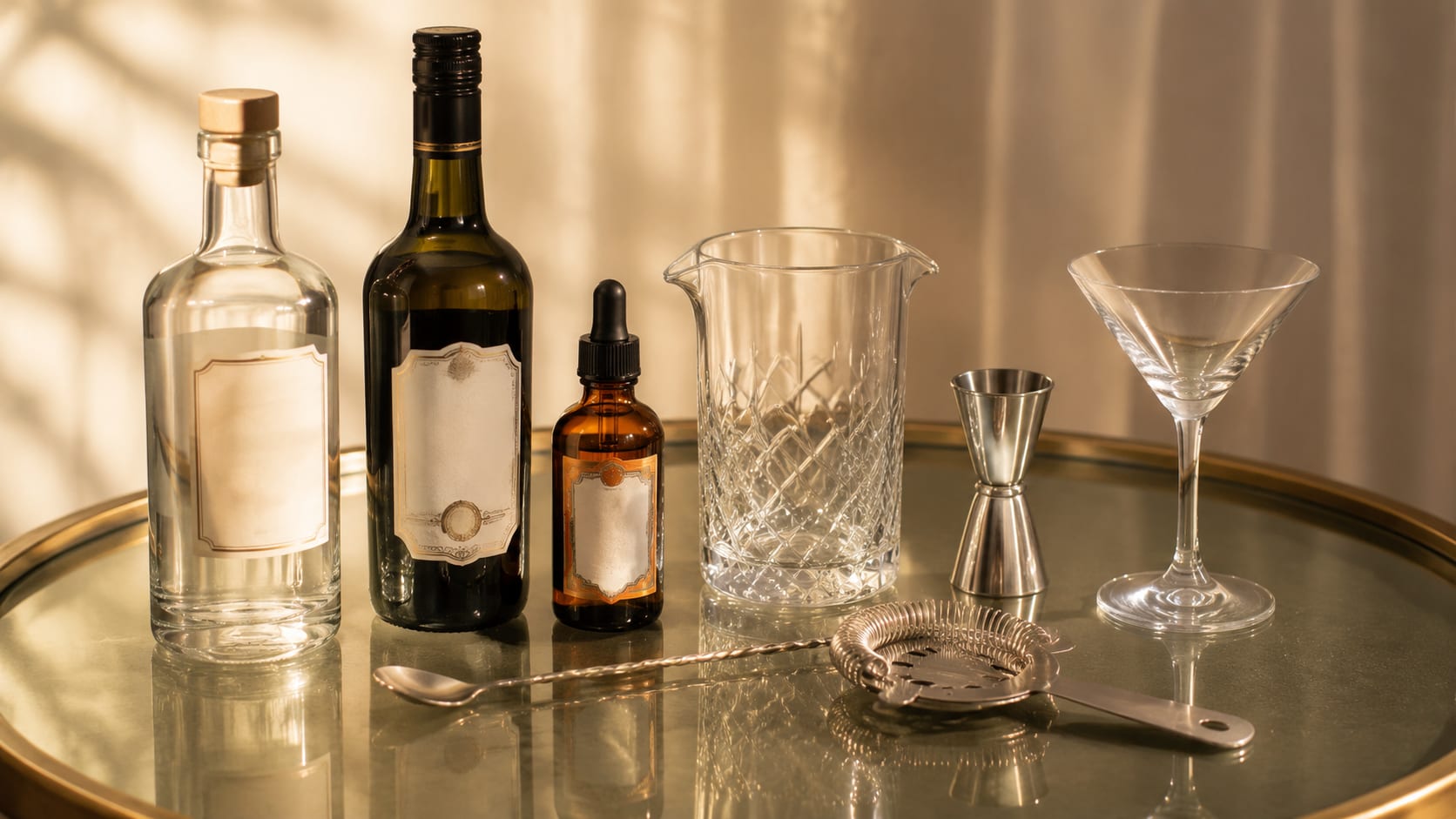
Tools

  • Mixing glass · Mixing

    To combine and chill the ingredients with ice without making them cloudy

    At home: A large pint glass or any wide, sturdy glass

  • Bar spoon · Mixing

    To stir the drink smoothly and chill it evenly

    At home: A long spoon or chopstick

  • Jigger · Measuring

    To measure the gin and sweet vermouth accurately

    At home: A shot glass or measuring cup

  • Hawthorne strainer · Straining

    To hold back the ice when pouring the drink into the glass

    At home: A slotted spoon or fine mesh sieve

  • Martini glass · Serving

    The traditional V-shaped glass for serving the drink chilled without ice

    At home: A small wine glass or coupe

  • Vegetable peeler · optional · Garnish

    To cut a clean strip of orange peel for the garnish

    At home: A small sharp knife

Ingredients and tools to make Sweet Martini
Ingredients and tools

Steps

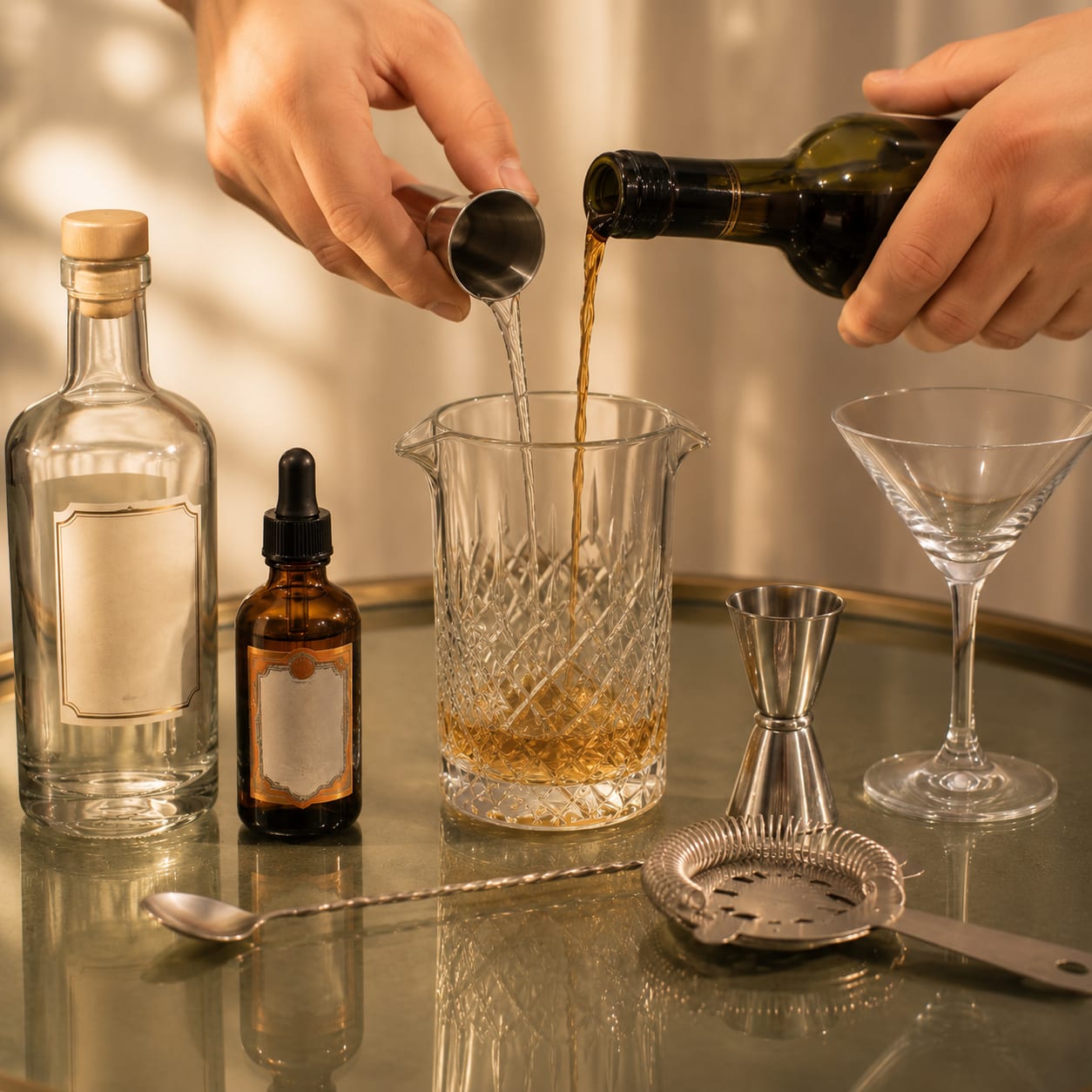
  1. 1

    Take your mixing glass and pour in 60ml of gin and 60ml of sweet vermouth. Add 2 dashes of orange bitters right on top. The equal parts here are what make it a proper Sweet Martini, so measure carefully.

    Step 1 — how to make Sweet Martini

    !Free-pouring instead of measuring, which throws off the delicate ratio.

  2. 2

    Fill the mixing glass about three-quarters full with ice—big cubes work best because they melt slower. The ice should sit above the liquid so everything chills evenly.

    Step 2 — how to make Sweet Martini

    !Using small, fragmented ice that melts too fast and waters down the drink.

  3. 3

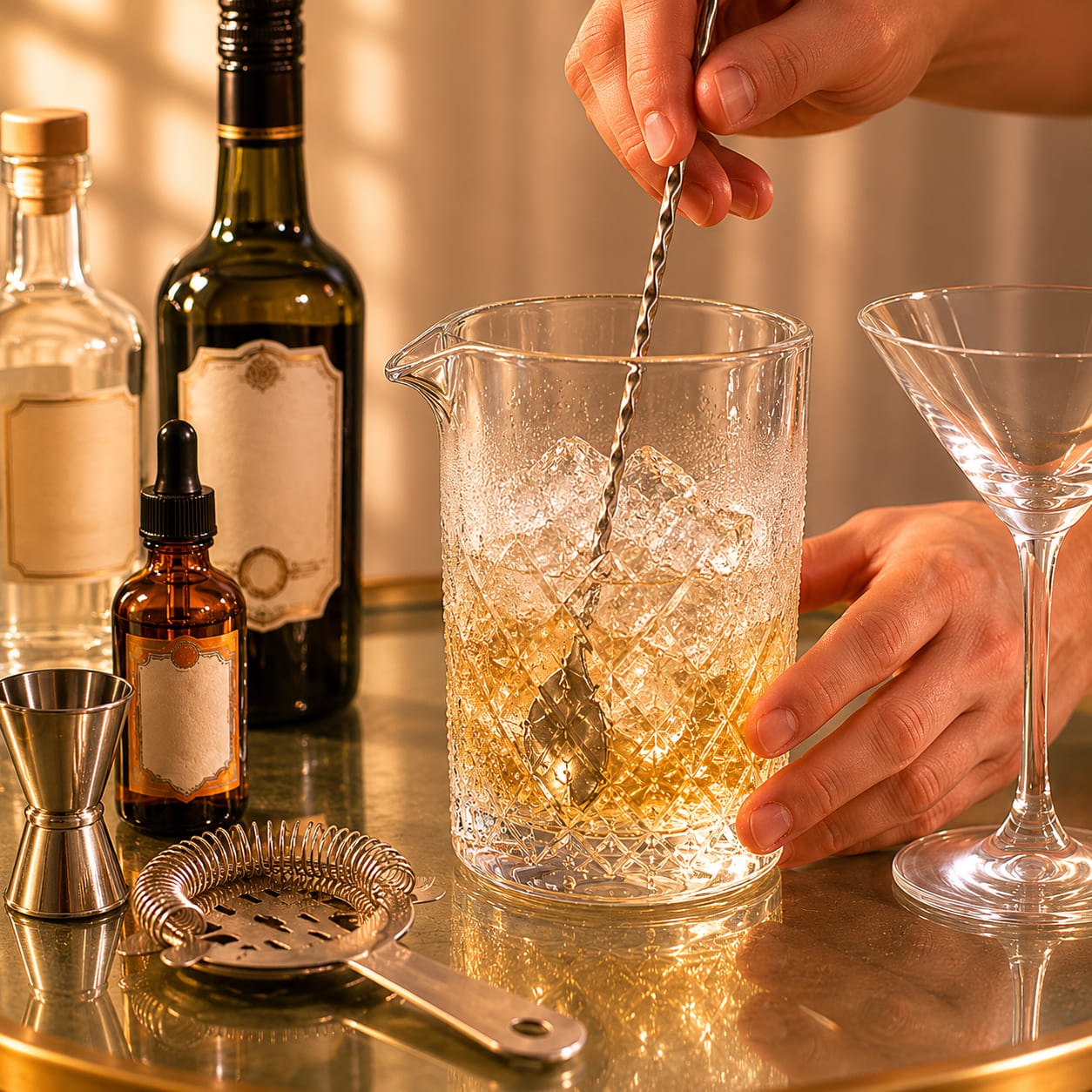
    Grab your bar spoon and stir steadily for about 20 to 30 seconds. You want to chill the liquid down and add just a little water from the ice. You will know you are done when the outside of the mixing glass feels very cold and fogged up.

    ~25s

    Step 3 — how to make Sweet Martini

    !Stirring too fast or aggressively, which chips the ice and makes the drink cloudy and watery.

  4. 4

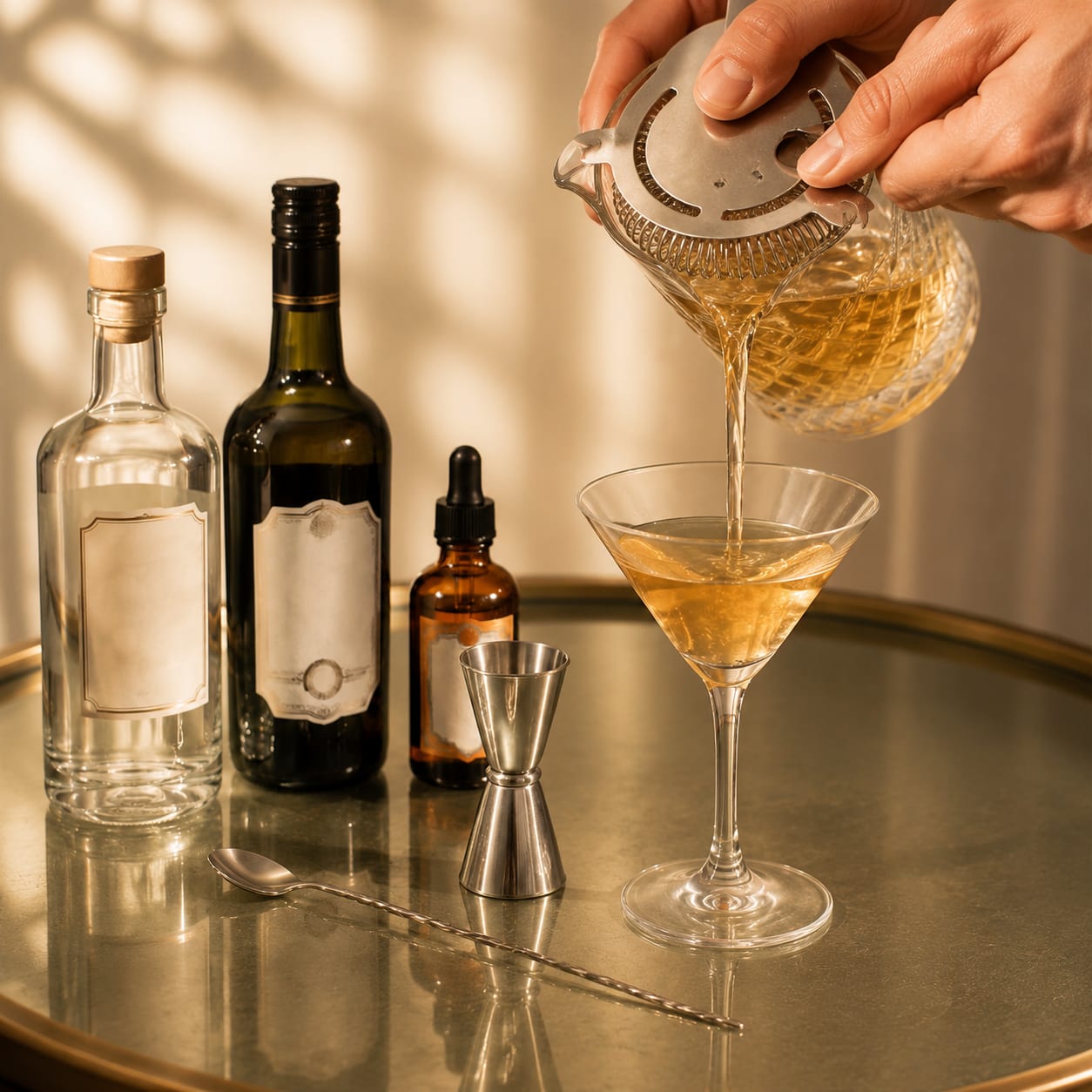
    Take your chilled Martini glass out of the freezer. Put the Hawthorne strainer on top of the mixing glass, holding it firmly, and pour the liquid through the strainer into the glass. Leave all the ice behind.

    Step 4 — how to make Sweet Martini

    !Letting ice chips slip into the serving glass, which will keep melting and dilute your drink.

  5. 5

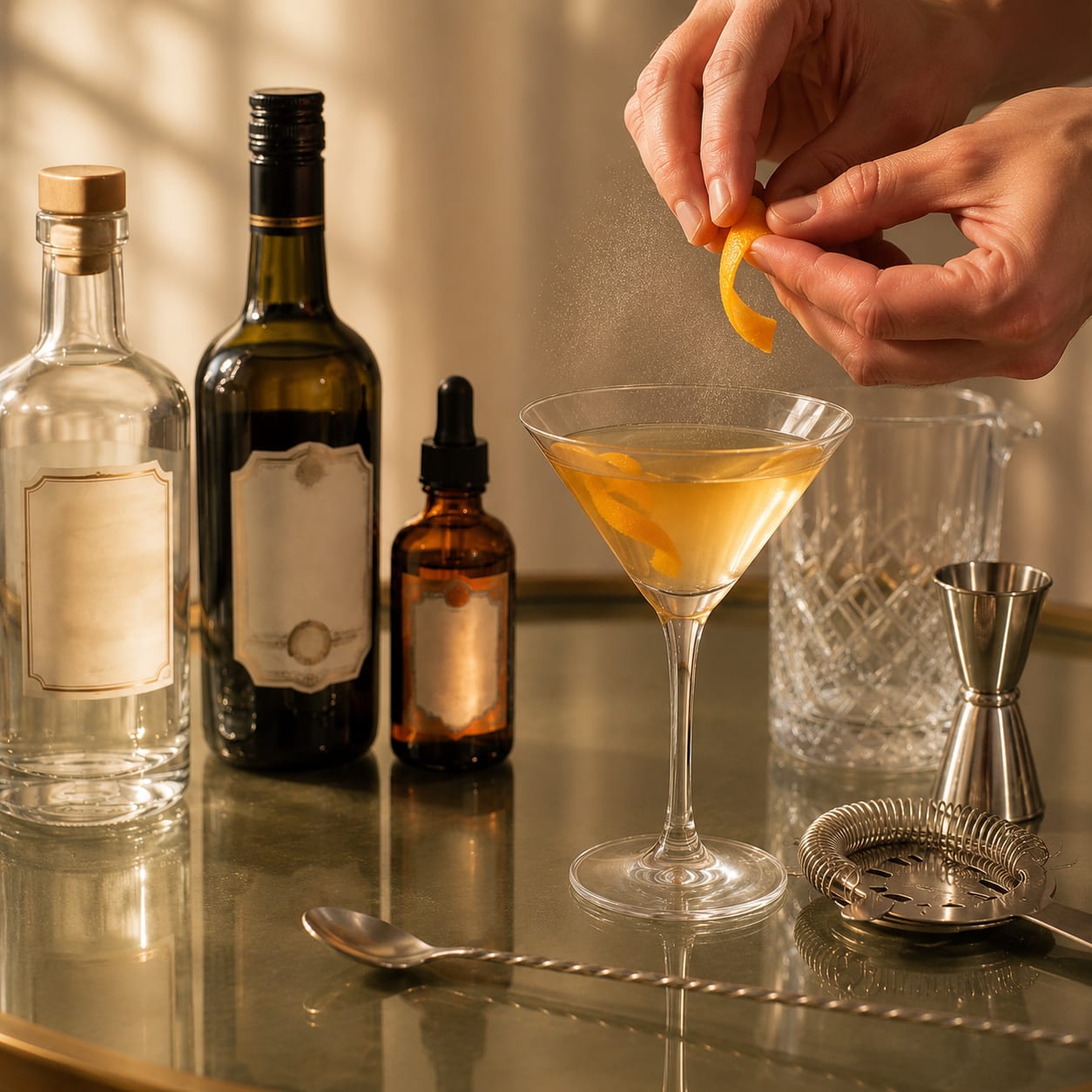
    Take your orange peel and give it a good twist over the surface of the drink—you will see a fine mist of oils spray across the top. Drop the peel into the glass. Serve it right away while it is still very cold.

    Step 5 — how to make Sweet Martini

    !Forgetting to twist the peel over the drink, which is where most of the aroma comes from.

Serve

Serve it straight up in a chilled Martini or coupe glass with no ice. Drink it fairly quickly while it is still cold, since a warm sweet vermouth can taste flat.

Variations

Ingredient substitutions

Each row shows what you can swap in place of an original ingredient, and how the drink changes.

Swap options for Gin

  • GinVodka
    Match
    Common availability

    GinVodka: Removes the botanical and juniper notes, making the drink taste cleaner but less complex.

  • GinOld Tom Gin
    Match
    Specialty availability

    GinOld Tom Gin: Adds a subtle maltiness and extra sweetness, pushing the drink toward a richer, older style.

Swap options for Sweet Vermouth

  • Sweet VermouthBianco Vermouth
    Match
    Specialty availability

    Sweet VermouthBianco Vermouth: Lightens the color and makes the flavor softer and more floral, with less dark fruit.

Related

Similar cocktails

Cousin drinks that share DNA with this one — each profile stands on its own.

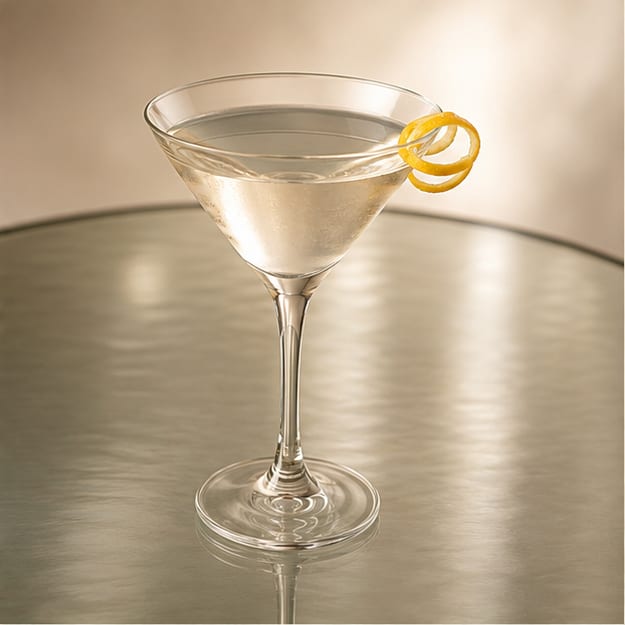
Dry Martini

Similar cocktail

Dry Martini

The Dry Martini uses dry vermouth instead of sweet, making it sharp and austere rather than rich and sweet.

Match

The Sweet Martini is rounder and easier to drink, while the Dry Martini is all about the gin hitting you first with a crisp, clean finish.

In common: stirred, served up, spirit-forward, Martini glass

Ingredients

Both share

Gin, Orange Bitters

Only in Sweet Martini

Sweet Vermouth

Only in Dry Martini

Dry Vermouth

Swapping sweet vermouth for dry vermouth completely changes the drink's weight and sweetness, turning a soft, fruity sip into a dry, sharp one.

Flavor

Shared flavors

strong gin backbone, botanical aroma, citrus oil garnish

How Dry Martini differs

sweeter, fuller body, less sharp, darker fruit notes

View recipe & details →
Manhattan

Similar cocktail

Manhattan

The Manhattan uses whiskey instead of gin, swapping botanical notes for oak and caramel.

Match

The Sweet Martini feels brighter and more aromatic, whereas the Manhattan is deeper, richer, and more autumnal.

In common: stirred, served up, spirit-forward, sweet vermouth driven

Ingredients

Both share

Sweet Vermouth, Orange Bitters

Only in Sweet Martini

Gin

Only in Manhattan

Bourbon Whiskey, Angostura Bitters

The base spirit is the main split—gin brings pine and florals, while bourbon brings vanilla and baked grain.

Flavor

Shared flavors

sweet vermouth richness, herbal undertones, warming finish

How Manhattan differs

lighter body, more botanical, less oaky, no caramel notes

View recipe & details →

Perfect Martini

Similar cocktail

Perfect Martini

The Perfect Martini splits the vermouth evenly between sweet and dry, landing right between this drink and a Dry Martini.

Match

The Perfect Martini is the middle ground—less sweet and a bit sharper than the Sweet Martini, but not as bone-dry as the Dry.

In common: stirred, served up, spirit-forward, Martini glass

Ingredients

Both share

Gin, Sweet Vermouth, Orange Bitters

Only in Perfect Martini

Dry Vermouth

The Perfect Martini simply halves the sweet vermouth and adds dry, pulling back the sweetness while keeping some of the richness.

Flavor

Shared flavors

gin-forward, herbal sweetness, citrus top notes

How Perfect Martini differs

drier finish, lighter body, less fruit-forward

View recipe & details →

History

Origin

The Sweet Martini predates the Dry Martini and was the default way to order a Martini before Prohibition. Early cocktail manuals list it simply as a 'Martini' made with sweet vermouth, and the dry version only overtook it in popularity during the 1920s and 30s.

Era
1900s
Confidence

The 1:1 gin to sweet vermouth ratio is the earliest printed standard, though later variations lean drier. Orange bitters are traditional but sometimes omitted in modern bars.

Practical

Tips & pitfalls

What works at home and what to skip when making this drink.

Tips

Worth knowing before you pour

  • Keep your sweet vermouth in the fridge after opening so it stays fresh.
  • Use a decent gin with clear botanicals—cheap gin makes a flat, sweet mess.
  • A 1:1 ratio is classic, but try 2:1 gin to vermouth if you want it less sweet.

Avoid

Common mistakes

  • Do not use old, oxidized sweet vermouth—it will taste like stale wine.
  • Do not shake this drink; shaking waters it down and makes it cloudy.